Truck Breakdown on the Toowoomba Range: Recovery Options and Safety
Scheduled article. This page is live and indexable, but it is not listed on the News page until January 4, 2028.
Truck Breakdown on the Toowoomba Range
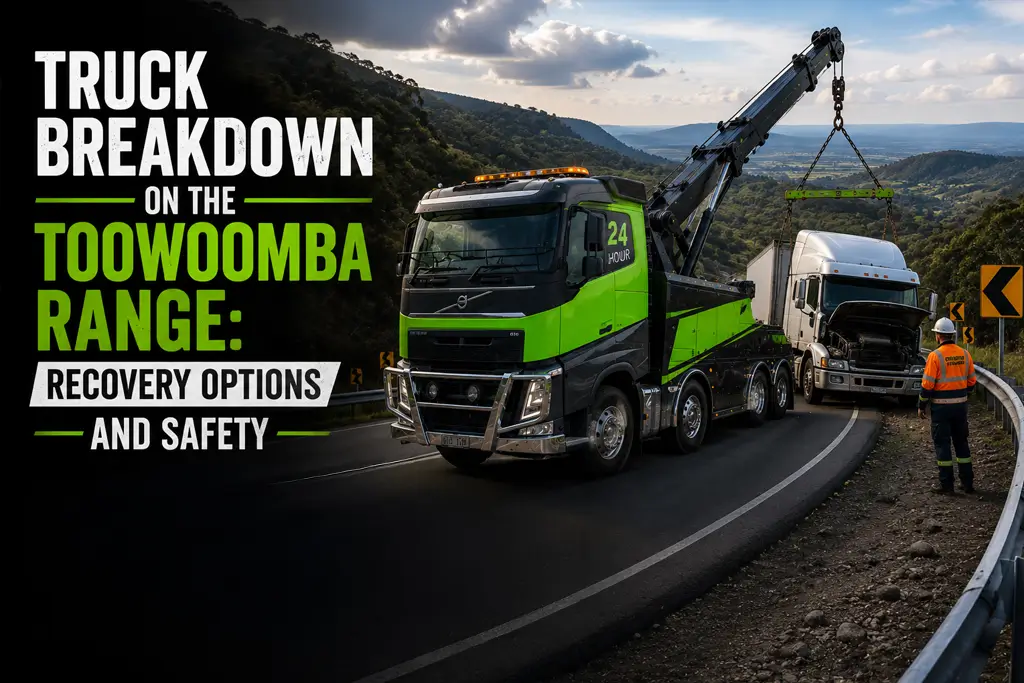
The Toowoomba Range is one of the most demanding sections of road for heavy vehicles in Queensland. The combination of steep gradients, tight curves, and continuous braking demand makes it a common location for mechanical failures. If your truck has stopped on the Range, here is what you need to know.
Common Range Breakdowns
Brake fade: The sustained descent requires continuous braking. If the brakes overheat, stopping power diminishes. Modern trucks with exhaust brakes and retarders manage this better than older vehicles, but brake fade still occurs, particularly in hot weather and with heavy loads.
Engine overheating: The climb up the Range puts maximum load on the engine for an extended period. Cooling system weaknesses that go unnoticed on flat roads reveal themselves on the Range.
Driveline failures: The torque demands of the climb stress driveshaft components, universal joints, and gearbox internals. Failures at these points leave the truck unable to move.
Tyre failures: The combination of load, gradient, and heat accelerates tyre wear. A tyre failure on the Range is more dangerous than on flat ground because the driver has less room to manoeuvre and stopping on a gradient adds complexity.
What to Do
Get the truck off the road as far as possible. The Range has pull-over bays at intervals. If you can reach one, do so. If you cannot, move as far left as possible and activate your hazard lights immediately.
Do not attempt to continue driving if your brakes have faded. Let them cool. If the truck cannot be driven safely, call for a tow. Do not try to coast down the remaining descent. A truck without effective brakes on a 10% gradient is a runaway waiting to happen.
Call for towing as early as possible. A tow truck climbing the Range from the bottom takes time. If your brakes are fading before you reach the top, do not wait until they fail completely. Pull over while you still have some stopping power.
Recovery on the Range
Range recovery requires specific techniques. The tow truck must be positioned safely on the gradient. The casualty vehicle must be secured against rolling before any recovery work starts. Wheel chocks, parking brakes, and sometimes additional restraints are used to hold the vehicle in place.
Towing on the Range means managing gradient forces throughout the tow. Going downhill, the casualty vehicle pushes against the tow truck. Going uphill, the tow truck carries additional load. Our operators are experienced with both scenarios and select the towing method and route accordingly.
For Range breakdown recovery, call Delta Heavy Towing on +61 455 996 600.
Need this handled today?
Dispatch is staffed 24 hours a day, and we quote before the truck rolls. Tell us the vehicle, the location and where it needs to go.
Keep reading
Related guides
The Complete Guide to Towing Services in Brisbane
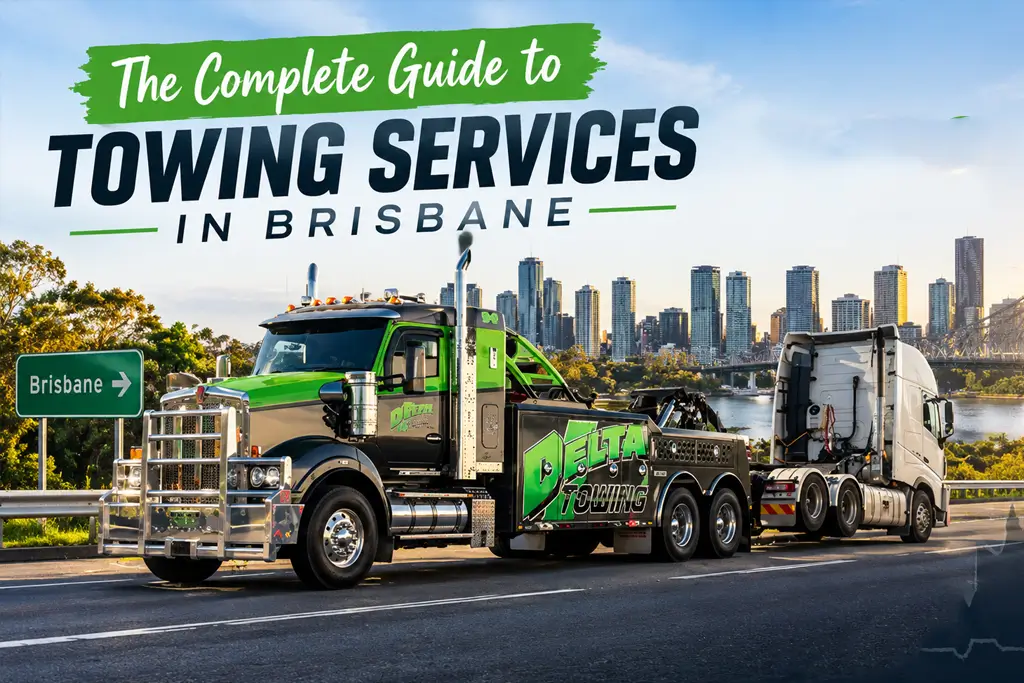
Brisbane's towing market serves a city of 2.5 million people with trucks, buses, and commercial vehicles running through an extensive road network in…
Read the article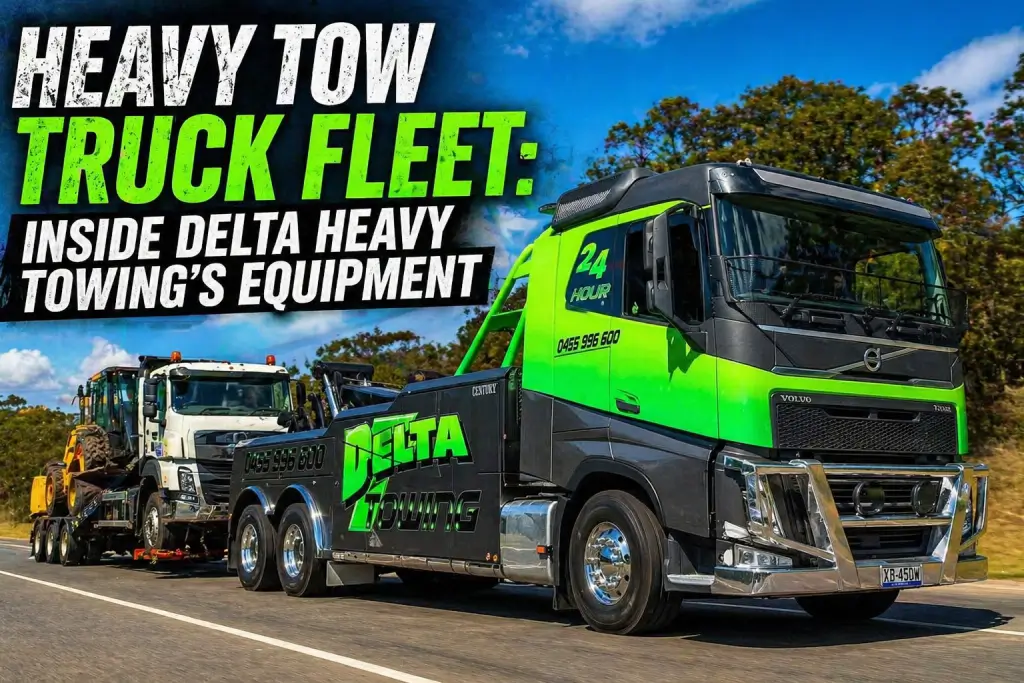
Heavy Tow Truck Fleet: Inside Delta Heavy Towing's Equipment
We get asked about our trucks regularly. Fleet managers want to know if we can handle their largest vehicle. Construction companies want to know if w…
Read the article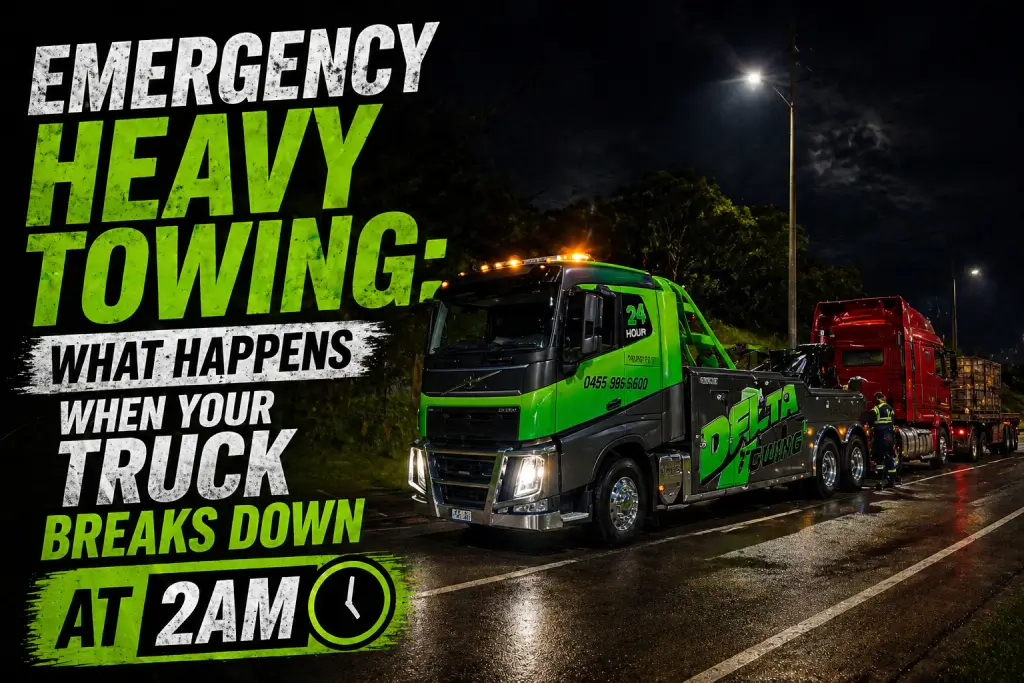
Emergency Heavy Towing: What Happens When Your Truck Breaks Down at 2AM
Emergency heavy towing is what stands between a stranded driver and a resolved crisis. The phone rings at 2am. It's your driver. The truck has stoppe…
Read the article