Wide loads
Agricultural machinery such as headers and sprayers, prefabricated buildings, water tanks, industrial vessels and wide-beam boats. Anything over 3.5 metres wide typically needs a pilot in front.
 Delta Heavy TowingBrisbane · 24/7
Over-dimensional freight
Wide, tall, long and heavy loads across Brisbane and Queensland — measured as loaded, permitted properly, and routed around the obstruction nobody thought to check.
24/7 dispatch · six depots across South East QLD · we quote before we roll
A load becomes over-dimensional when it exceeds the height, width, length or mass limits set for general access. Width is usually what triggers pilot vehicle requirements. Height is what causes the most trouble on the road, because overhead cables and bridge clearances vary along a route and cannot be negotiated with at the last minute.
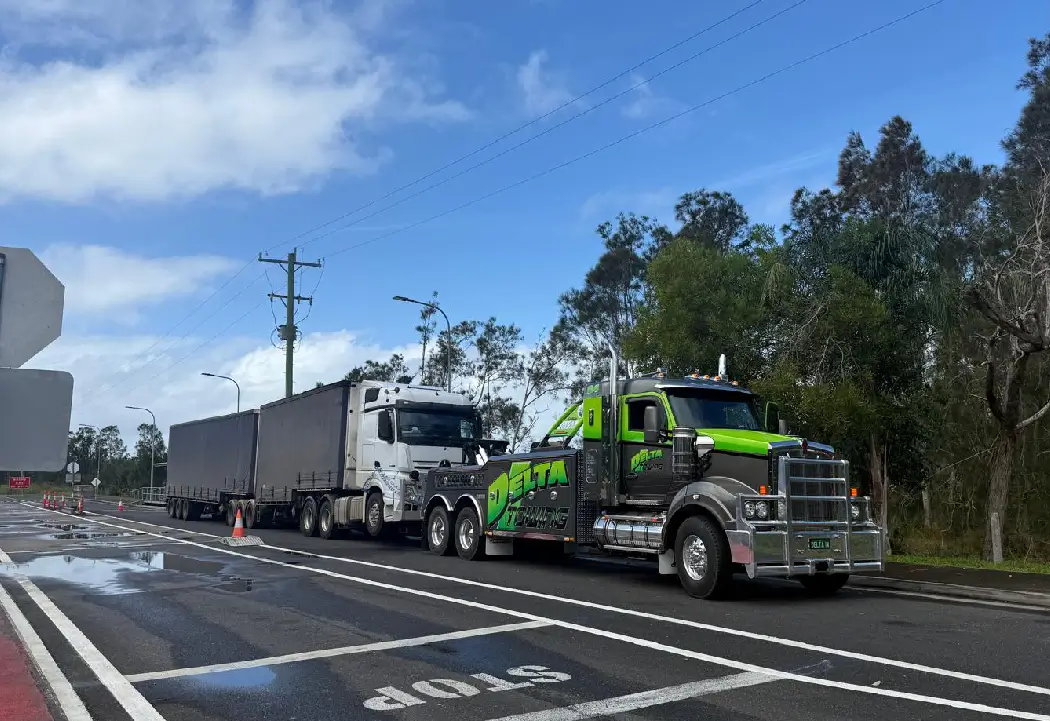
Delta Heavy Towing transports oversize loads across Brisbane, South East Queensland and interstate. We measure as loaded, lodge the NHVR permits, survey the route against current conditions, arrange the pilots and run the movement inside its permit conditions.
The planning is the product. Anyone can put a wide load on a trailer; the value is in knowing which route it can legally and physically take, and finding that out before the truck is committed rather than at a roundabout at 4am.
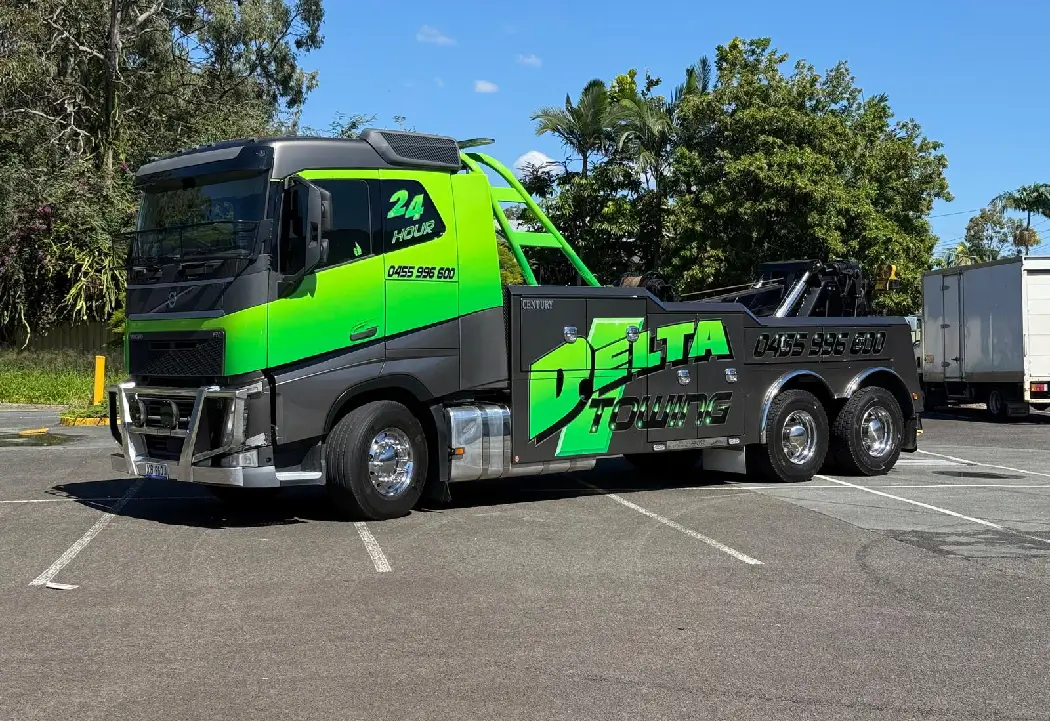
What we handle
Each dimension creates a different problem, and most real loads create more than one.
Agricultural machinery such as headers and sprayers, prefabricated buildings, water tanks, industrial vessels and wide-beam boats. Anything over 3.5 metres wide typically needs a pilot in front.
Mining equipment, plant on elevated frames, modular building sections and equipment riding on high-deck trailers. Route planning identifies every overhead obstruction — power lines, traffic signals and bridge girders.
Bridge beams, wind turbine blades, structural steel and pipeline sections. Length affects turning movements and demands larger intersection clearances, which is what the pilots are managing.
Some oversize loads are also overmass. Once mass limits are exceeded, every bridge, culvert and overpass on the route gets checked against the loaded combination weight.
Most real-world loads are two or three of the above at once, and the permit conditions compound rather than overlap.
Multiple oversize pieces to one site, sequenced and staged so the site receives them in a usable order.
How it runs
Six stages. The first one is where most jobs are won or lost.
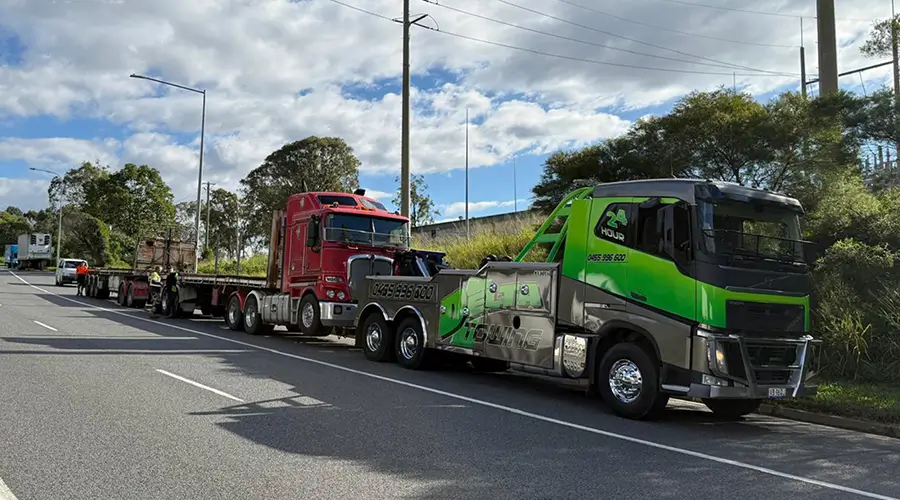
Certified measurements of the load as it sits on the transport vehicle, not raw machine dimensions. Deck height adds to overall height and overhang adds to overall length — a distinction that invalidates a lot of permits.
We lodge NHVR applications on your behalf. Class 1 permits are usually processed within a few business days; higher classes take longer and may need engineering assessments or formal route surveys.
Planned against current road condition data, bridge weight limits, overhead clearance databases and local knowledge. Routes that look fine on a map often hide a low power line on a side street or a roundabout a long load cannot take.
Qualified pilot operators with warning signs, height poles and UHF communication, holding current Queensland pilot vehicle driver authorisation.
Run to permit conditions — travel time restrictions, speed limits and approved stopping points. Driver and pilots stay in constant radio contact.
Site access confirmed, truck positioned and unloaded to the site plan. Where a crane is placing the load, we coordinate timing so neither crew is standing around waiting for the other.
Send the loaded dimensions and mass, plus pick-up and delivery addresses. We will confirm the permit class, escort requirement and price.
Detail that matters
The penalties are serious, and they are the smaller half of the risk.
Operating an oversize load without a permit, outside its conditions, or without required escorts attracts significant penalties in Queensland — fines that can reach five figures, plus demerit points against operator accreditation.
The larger exposure is what happens if it goes wrong. An unpermitted oversize load that strikes a bridge, brings down a power line or causes a traffic incident creates liability capable of ending a business. That is why we treat compliance as the starting point of a move rather than paperwork attached to the end of one, and why our team tracks NHVR guideline changes, state-specific conditions and local government requirements as a matter of routine.
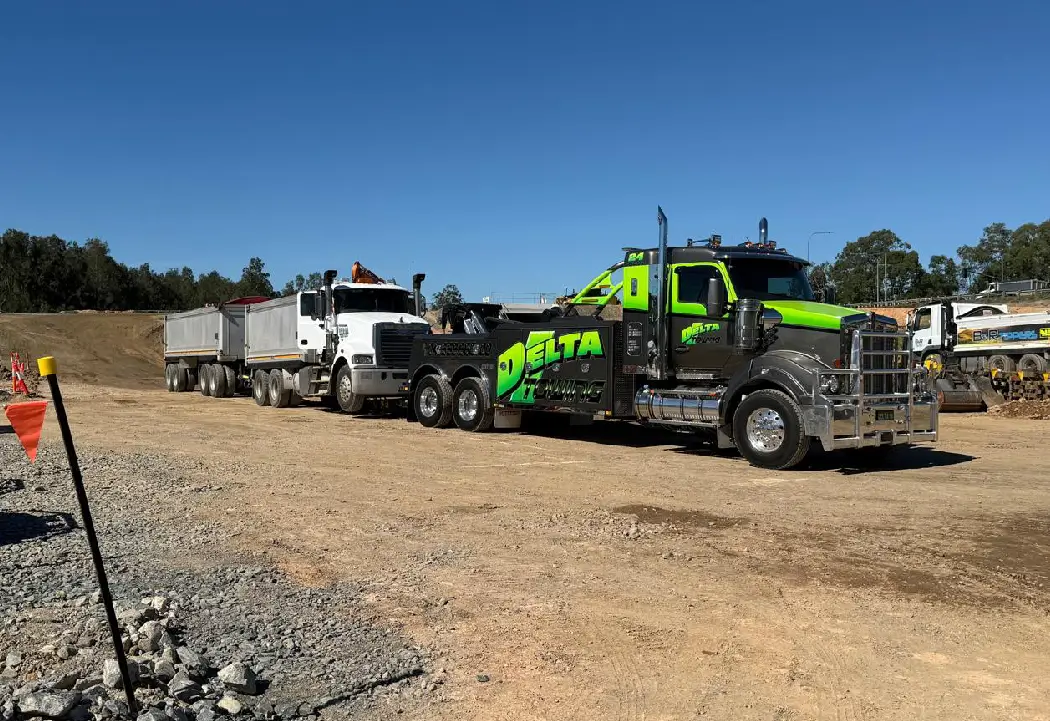
Straight answers
Class 1 permits are typically processed within a few business days. Higher classes take longer — allow two to four weeks — and may require engineering assessments or a formal route survey before the application will be considered.
Width is usually the trigger. Loads over 3.5 metres wide generally require a pilot in front, and larger dimensions can require pilots front and rear. The permit sets the requirement and we arrange qualified pilots to meet it.
Some are required to. Metro corridors often restrict over-dimensional movements to off-peak or night windows, and permit conditions dictate the travel times. We roster crews around whatever the permit specifies.
We find it during route planning and re-route around it. That is precisely what the survey stage is for — identifying overhead obstructions before the truck leaves rather than discovering them with the load in front of them.
Chain of Responsibility obligations run across everyone in the chain, including the consignor. That is why we insist on certified measurements of the load as transported, and why guessing dimensions to save time is a false economy.
Related services
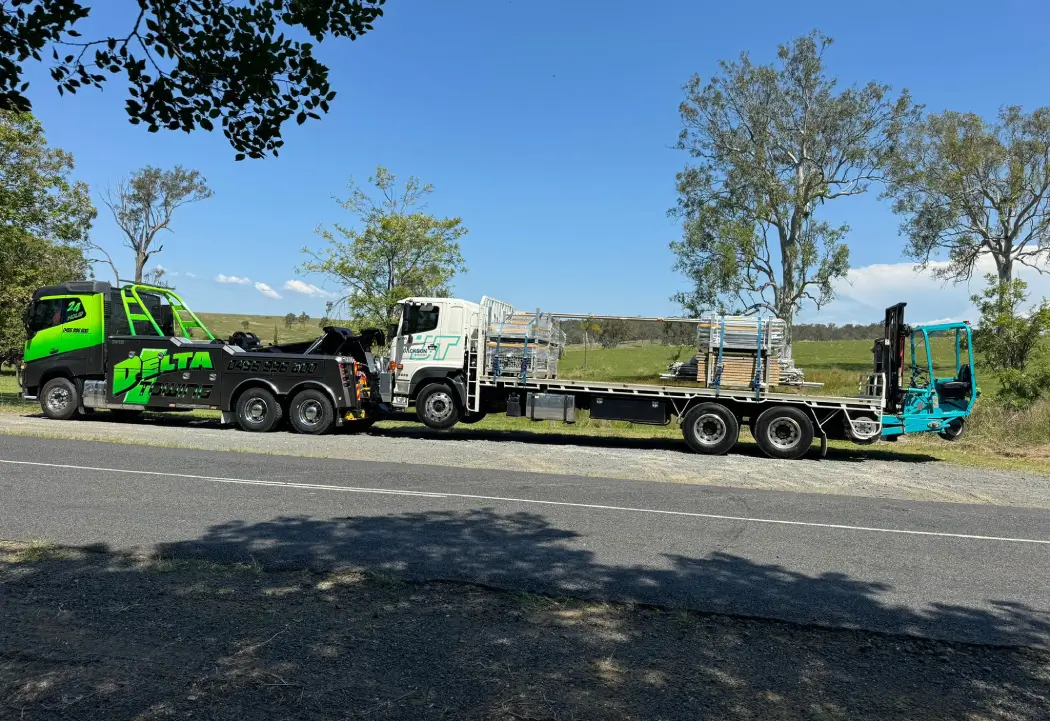
Oversized and overweight moves with NHVR permits, pilot vehicles, route planning and compliance handled end to end.
Explore Heavy Haulage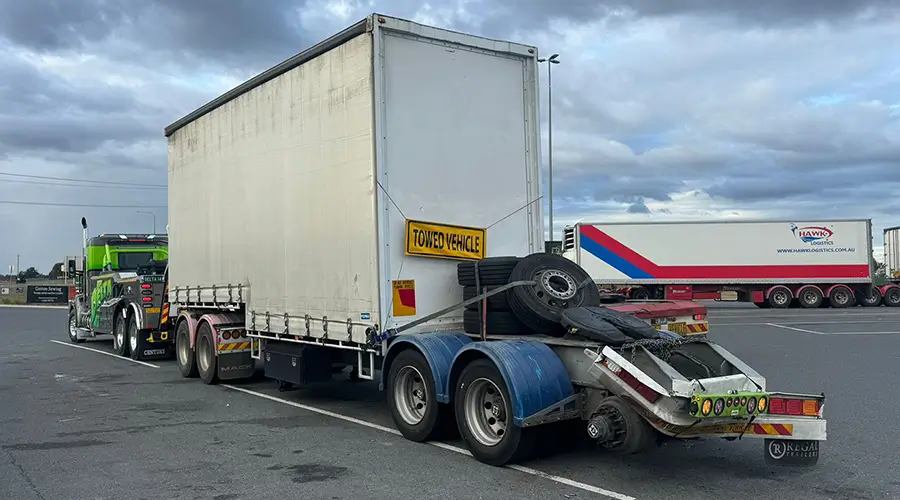
Oversize loads with full permit management, escort vehicles, route surveys and compliance documentation.
Explore Over Dimensional Towing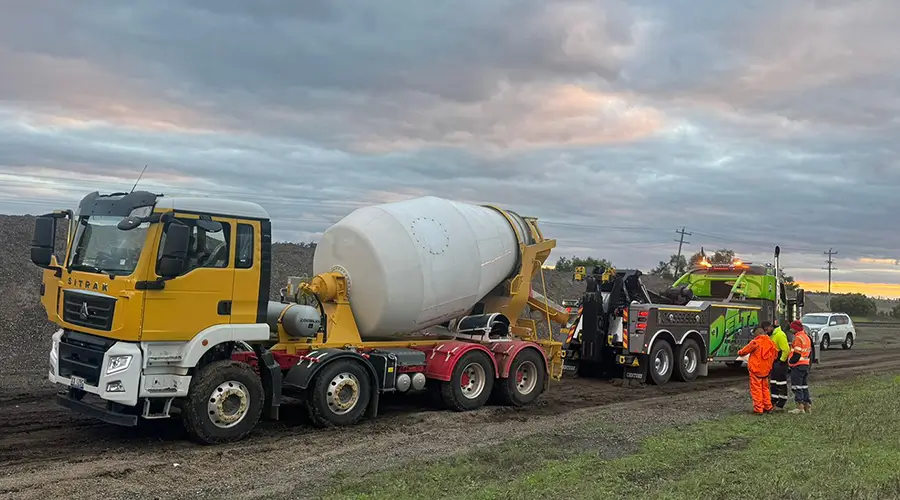
Excavators, cranes, dozers, generators and industrial plant on low loaders and heavy tilt trays with rated restraint.
Explore Machinery TransportReading
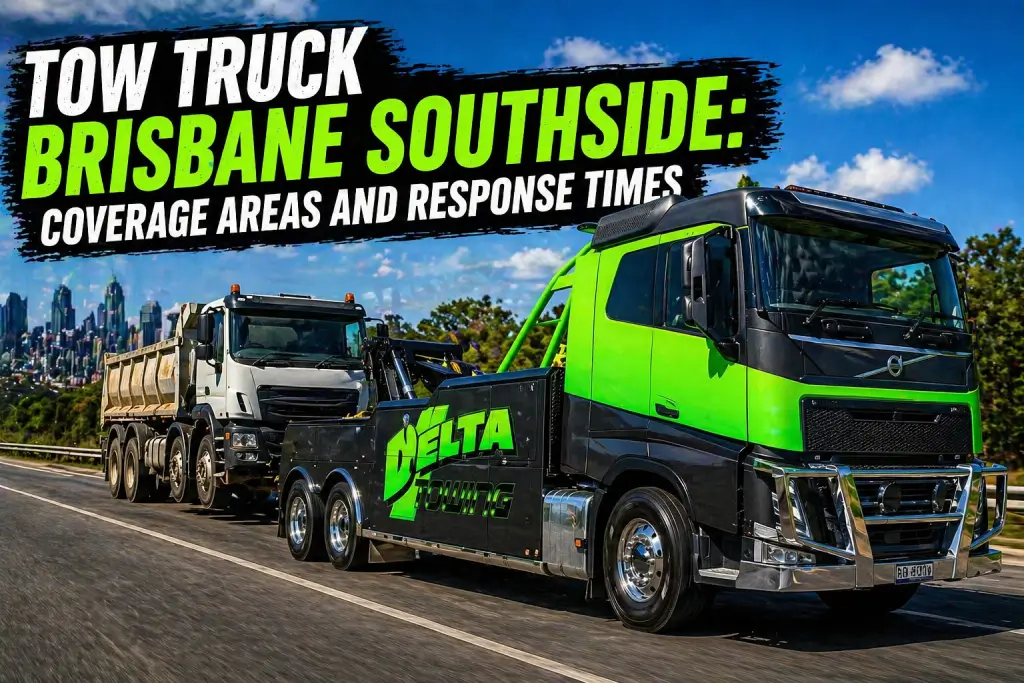
Brisbane's southside stretches from the CBD across the river through Woolloongabba, down through Moorooka and Sunnybank, out to Logan, and south alon…
Read the articleBrisbane's towing market serves a city of 2.5 million people with trucks, buses, and commercial vehicles running through an extensive road network in…
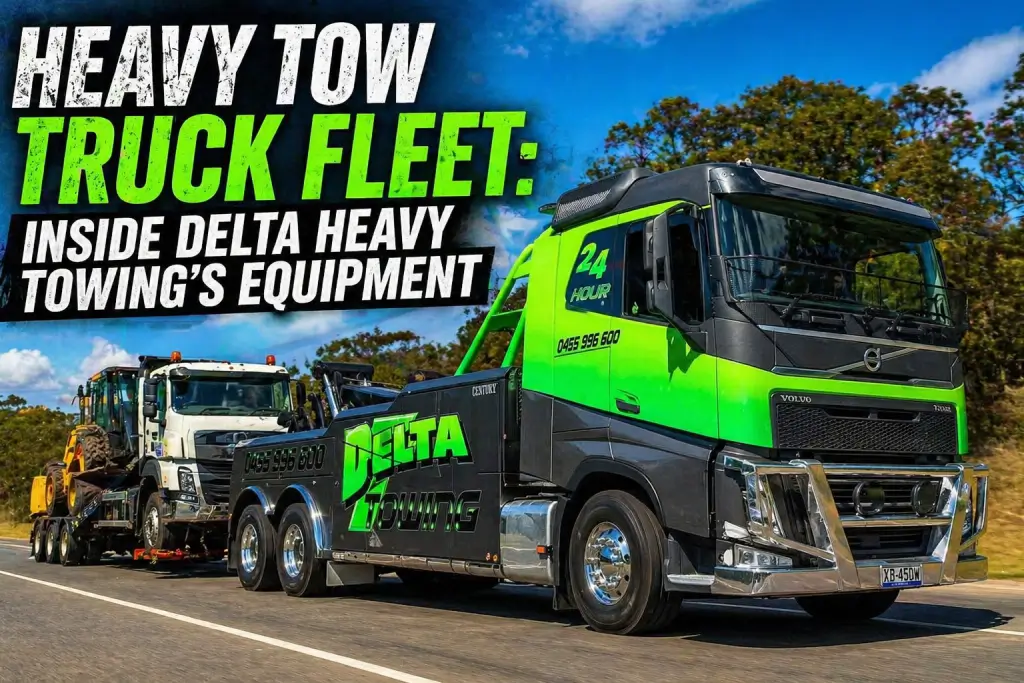
Read the articleWe get asked about our trucks regularly. Fleet managers want to know if we can handle their largest vehicle. Construction companies want to know if w…
Read the article