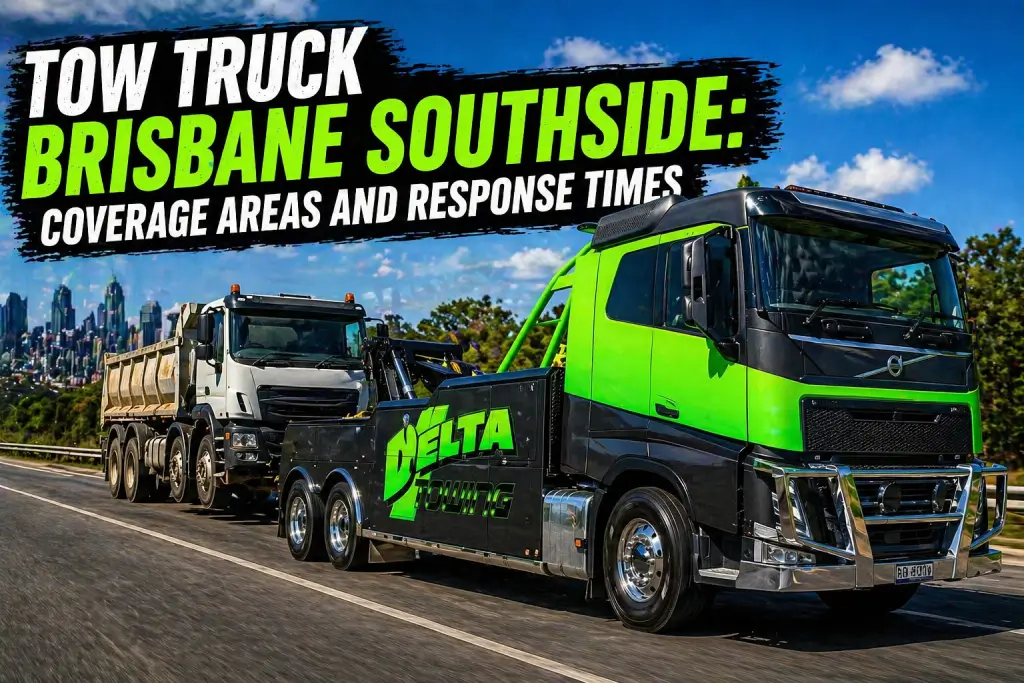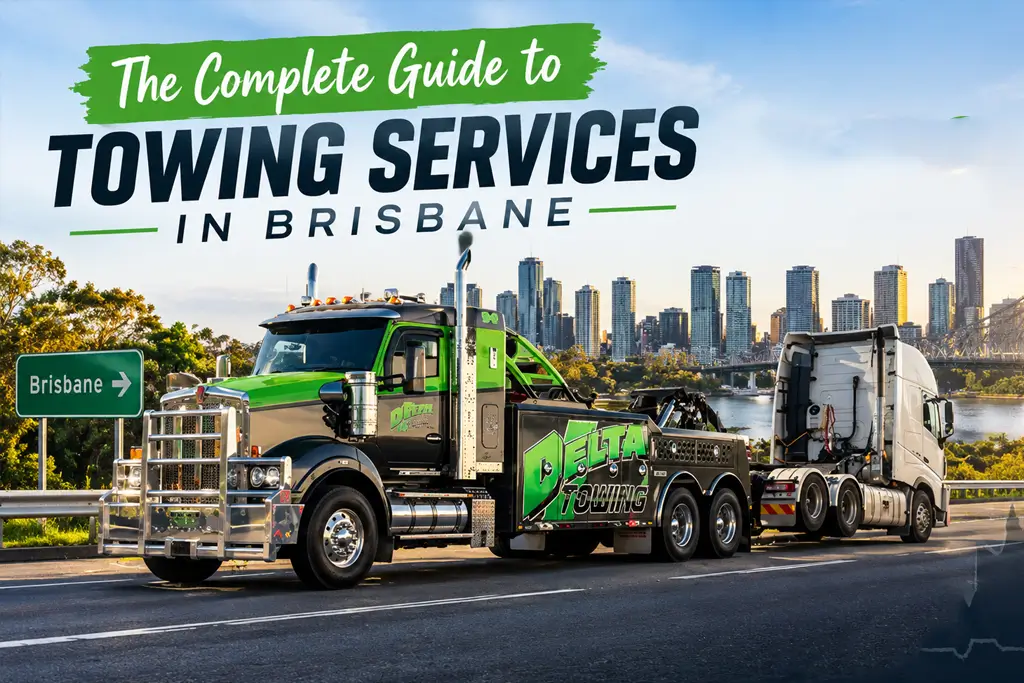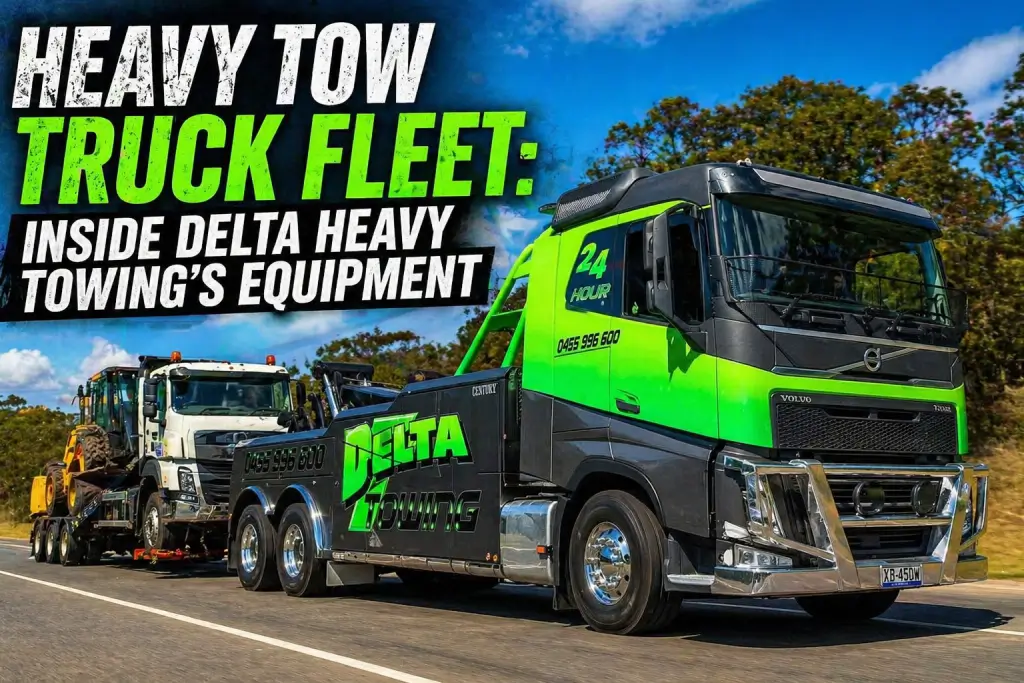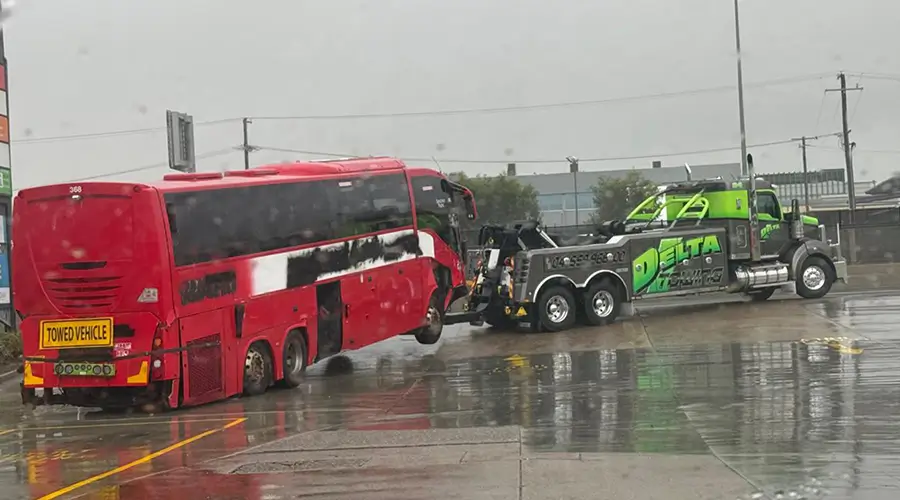
City transit buses
Standard 12.5 metre low-floor buses run by Brisbane Transport and private operators. Heavier than they look — typically 15 to 18 tonnes loaded. Our boom trucks handle them on underlift attachments.
 Delta Heavy TowingBrisbane · 24/7
Bus & coach recovery
City buses, school runs, coaches and charters. When a bus stops, the problem is rarely just mechanical — and we treat it that way.
24/7 dispatch · six depots across South East QLD · we quote before we roll
A bus breakdown during school pick-up affects dozens of families. A coach failure on the Pacific Motorway strands fifty passengers. A city bus stopped in a bus lane at morning peak backs up traffic across the network. Bus operators already know this: a breakdown is a customer-service problem wearing a mechanical disguise, and the clock on it runs faster than most.
Delta Heavy Towing tows buses across Brisbane and South East Queensland — transit buses, school buses, coaches, charters, minibuses and double-deckers. Our heavy tow trucks and tilt trays cover every standard bus size and configuration, and the operator who arrives has done it before.
Because we run six depots, the unit sent to your bus comes from the closest one. That matters most on school runs, where the difference between a 40-minute wait and a 90-minute wait is the difference between a delay and a phone tree full of parents.
What we handle
Different bus, different method. We work out which before the truck leaves the depot, not when it arrives.
Standard 12.5 metre low-floor buses run by Brisbane Transport and private operators. Heavier than they look — typically 15 to 18 tonnes loaded. Our boom trucks handle them on underlift attachments.
The bendy buses on Brisbane Metro corridors. Eighteen metres with a joint in the middle, so they need careful handling. If the articulation itself has failed, we tow the powered section and arrange separate transport for the trailing half.
Time-critical by definition. Parents are expecting children on a schedule and a stranded bus on a suburban street creates anxiety fast. School-hours callouts get dispatch priority.
Touring and long-distance coaches run larger and heavier than city buses. Underfloor luggage bays, on-board toilets and air suspension all change how the vehicle sits on a tow truck, and we plan for that.
Community transport, hotel shuttles and private minibuses. Lighter, but usually with low ground clearance, which means a tilt tray rather than a boom tow.
Overall height limits the route more than the weight does. We check bridge and power-line clearances along the whole tow path before we commit to it.
How it runs
Five stages, and we tell you where we are at each one.
Dispatch is staffed around the clock. We take the location, bus type, what failed and where it needs to end up, then give you a real ETA.
The operator checks suspension, steering and driveline condition before connecting anything. That assessment decides boom versus tilt tray.
Hydraulic lift and rated restraint, set up for the bus in front of us rather than a generic procedure.
Route chosen for clearance and access, not just distance. Your operations team gets updates in transit.
To your workshop, your depot, a nominated repairer or storage — wherever you tell us.
Tell us the bus type, where it is and where it needs to go. We will have a unit assigned from the closest depot before you hang up.
Detail that matters
A bus has a high centre of gravity, a long overhang and body panels that mark easily. The method has to account for all three.
Our operators assess condition before connecting. If the air suspension has dumped and the bus is sitting on its bump stops, ride height during the tow will not be what the spec sheet says. If front-axle steering has failed, boom towing is off the table and the bus goes on a tilt tray instead.
For long-distance bus transport we lean towards tilt tray loading regardless. It takes wear off the bus’s own tyres and keeps the driveline out of the equation entirely — which usually costs less than the alternative once you count what a transit-damaged driveline is worth.
Straight answers
Our target for metro Brisbane is 45 minutes from the closest depot. School bus breakdowns during school hours are prioritised in dispatch. For regional work we give you an honest ETA on the phone rather than an optimistic one.
No. Passengers have to be offloaded before we start the tow — that is a safety requirement, not a preference. Arranging alternative transport for passengers stays with the bus operator, and we will hold on site while you sort it.
Yes. We tow for private operators, council fleets and contracted services. The bus operator contacts us directly and we invoice them.
Common with decommissioned buses heading to auction, scrap or export. Seized brakes and flat air systems are expected, and we bring the gear to deal with them rather than turning up and discovering the problem.
Regularly. Depot transfers for maintenance, reallocation or decommissioning are scheduled around your fleet requirements instead of competing with emergency callouts.
Related services
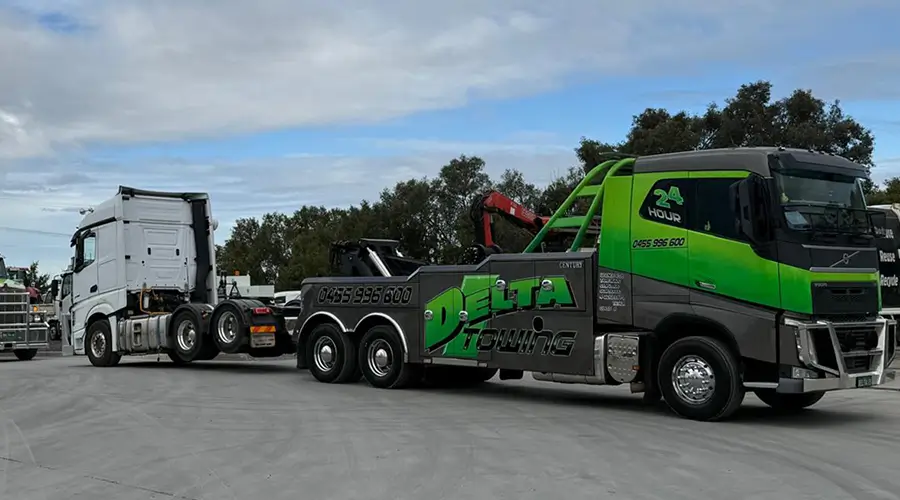
Rigids, semis and light commercials for fleets, logistics operators and owner-drivers. Right truck, quoted upfront.
Explore Truck Towing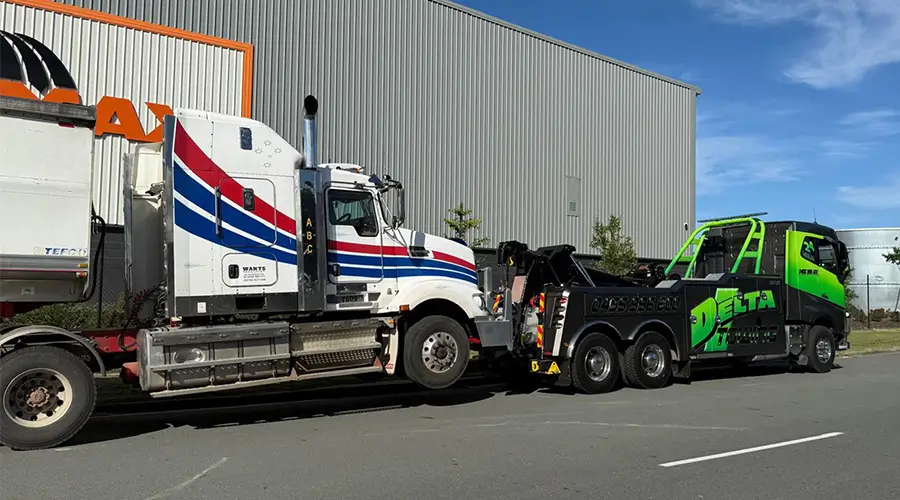
Our core work. Units rated above 23 tonnes GVM for semi-trailers, B-doubles, rigids and road trains.
Explore Heavy Duty Towing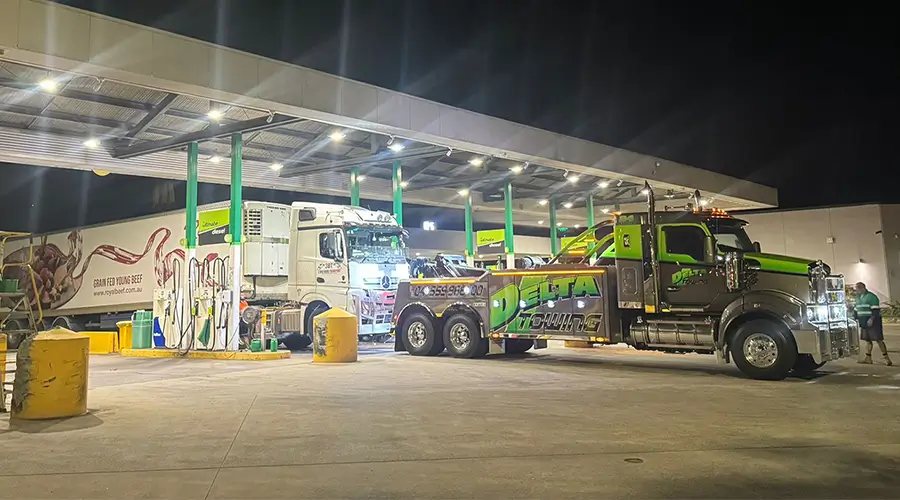
Accident recovery, rollover uprighting, off-road extraction and flood recovery, with the rotator other operators do not have.
Explore Heavy Vehicle RecoveryReading
Brisbane's southside stretches from the CBD across the river through Woolloongabba, down through Moorooka and Sunnybank, out to Logan, and south alon…
Read the articleBrisbane's towing market serves a city of 2.5 million people with trucks, buses, and commercial vehicles running through an extensive road network in…
Read the articleWe get asked about our trucks regularly. Fleet managers want to know if we can handle their largest vehicle. Construction companies want to know if w…
Read the article