Towing on the M1: Brisbane to Gold Coast Heavy Vehicle Recovery
Scheduled article. This page is live and indexable, but it is not listed on the News page until December 4, 2026.
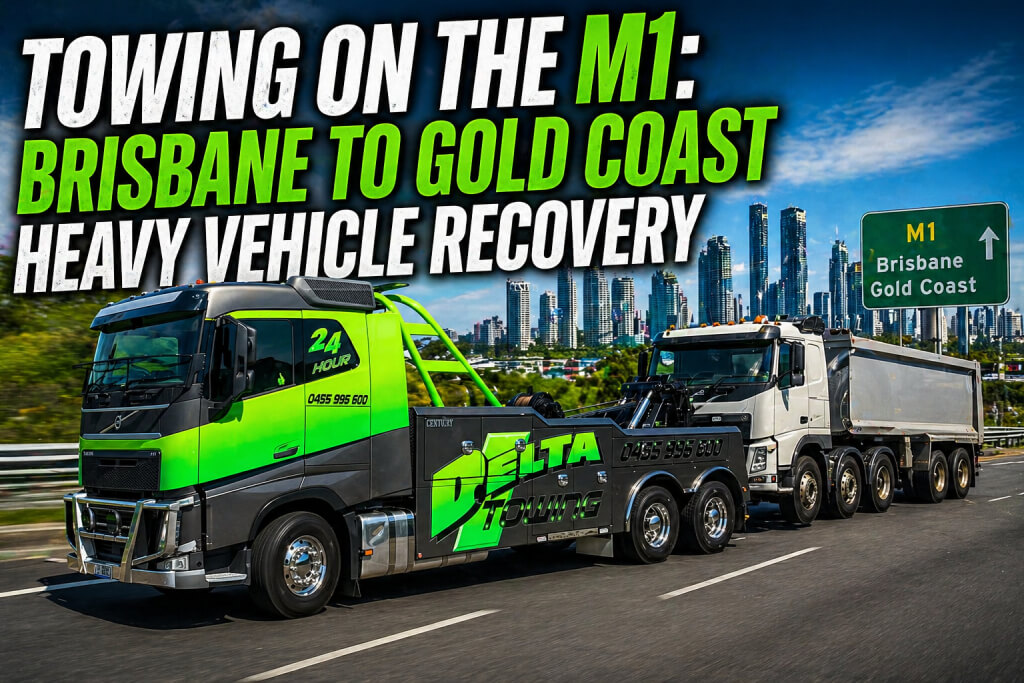
Towing on the M1: Brisbane to Gold Coast
The M1 Pacific Motorway between Brisbane and the Gold Coast is one of the busiest freight corridors in Queensland. Semi-trailers, B-doubles, and rigid trucks share the road with commuters, tourists, and holiday traffic. The corridor runs through terrain that includes flat sections, gradual inclines, and the winding stretch through the hinterland near Mudgeeraba.
Heavy vehicle breakdowns on the M1 are common. The combination of high traffic volumes, sustained speed, and summer heat puts stress on trucks that are already working hard. Here is what makes M1 towing different from suburban breakdowns.
The M1 Challenge
The M1 is a controlled-access motorway for most of its length. That means no side streets to pull into, limited shoulder width in some sections, and traffic passing at 100-110 km/h while you wait. The merge points at the Gateway interchange and the Coomera interchange are particularly problematic because traffic density is highest and shoulder space is tightest.
For tow truck operators, M1 work requires traffic management equipment, high-visibility gear, and the ability to work quickly in a high-speed environment. Setting up a safe work zone on the M1 takes time and care, because the consequences of a mistake are severe.
Coverage Along the Corridor
Delta Heavy Towing covers the entire M1 corridor from Brisbane to the Gold Coast and south into Northern NSW. Our Rocklea depot handles the northern section from Brisbane through to the Gateway merge. Our Gold Coast depot handles the southern section from Coomera through to Coolangatta and Ballina.
This two-depot coverage means response times along the M1 are generally shorter than if we were running from a single location. The furthest point from either depot is roughly 40-50 minutes in good traffic.
Common M1 Breakdowns
Engine overheating is common during summer. Sustained high-speed running in ambient temperatures above 35 degrees pushes cooling systems to their limits, especially on trucks pulling heavy loads uphill.
Tyre failures on drive and trailer axles. The M1 surface is generally good, but debris from other vehicles, expansion joints, and worn road surface can contribute to tyre damage. A steer tyre blowout at 100 km/h on the M1 is a serious incident.
Brake issues after sustained downhill running. The descent from the hinterland section toward Nerang puts significant demand on braking systems.
After-Hours M1 Towing
The M1 carries heavy freight traffic through the night. Many long-haul operators run overnight to avoid daytime congestion. Breakdowns at 2am on the M1 need the same response as breakdowns at 2pm. Our dispatch line is staffed around the clock, and our depots maintain after-hours capability.
For heavy vehicle towing on the M1, call Delta Heavy Towing on +61 455 996 600.
Need this handled today?
Dispatch is staffed 24 hours a day, and we quote before the truck rolls. Tell us the vehicle, the location and where it needs to go.
Keep reading
Related guides
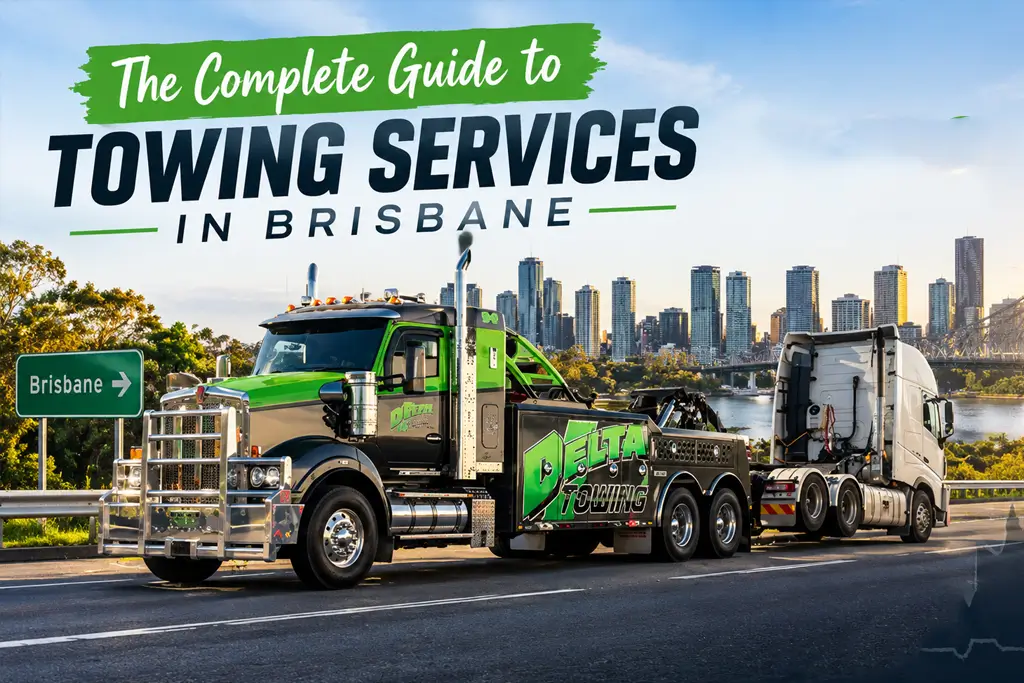
The Complete Guide to Towing Services in Brisbane
Brisbane's towing market serves a city of 2.5 million people with trucks, buses, and commercial vehicles running through an extensive road network in…
Read the article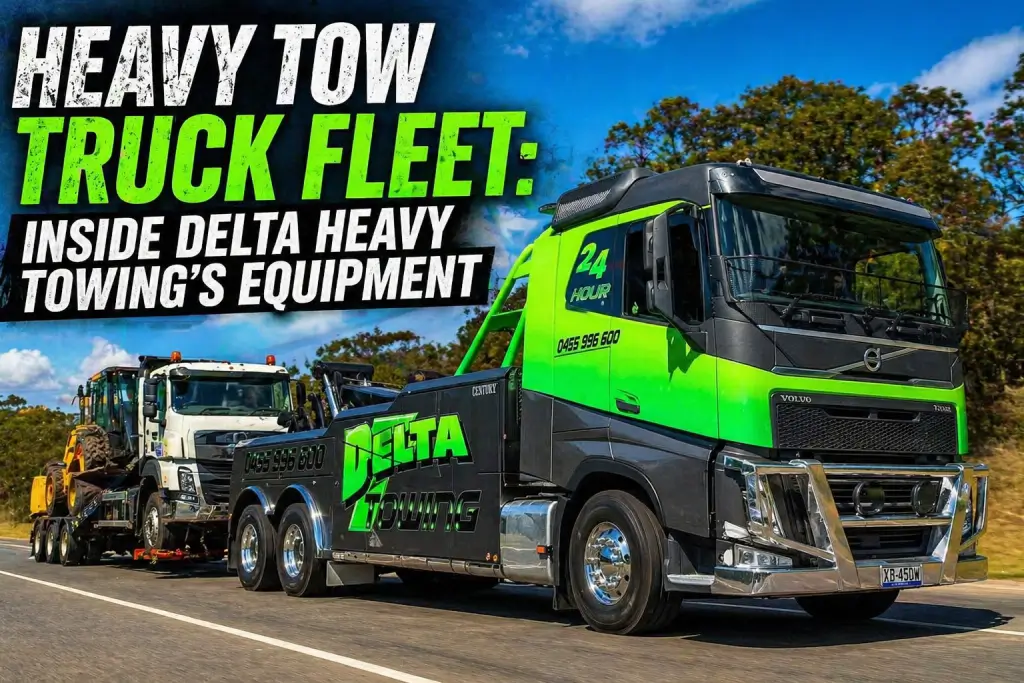
Heavy Tow Truck Fleet: Inside Delta Heavy Towing's Equipment
We get asked about our trucks regularly. Fleet managers want to know if we can handle their largest vehicle. Construction companies want to know if w…
Read the article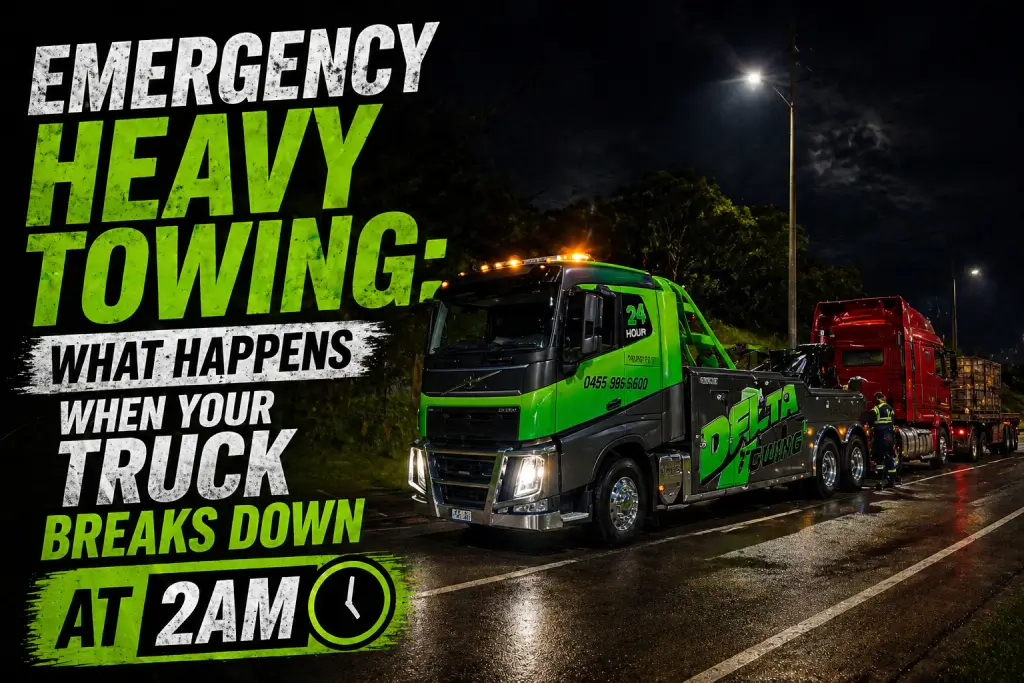
Emergency Heavy Towing: What Happens When Your Truck Breaks Down at 2AM
Emergency heavy towing is what stands between a stranded driver and a resolved crisis. The phone rings at 2am. It's your driver. The truck has stoppe…
Read the article