NHVR Heavy Vehicle Standards: A Towing Company's Guide to Compliance
Scheduled article. This page is live and indexable, but it is not listed on the News page until May 4, 2028.
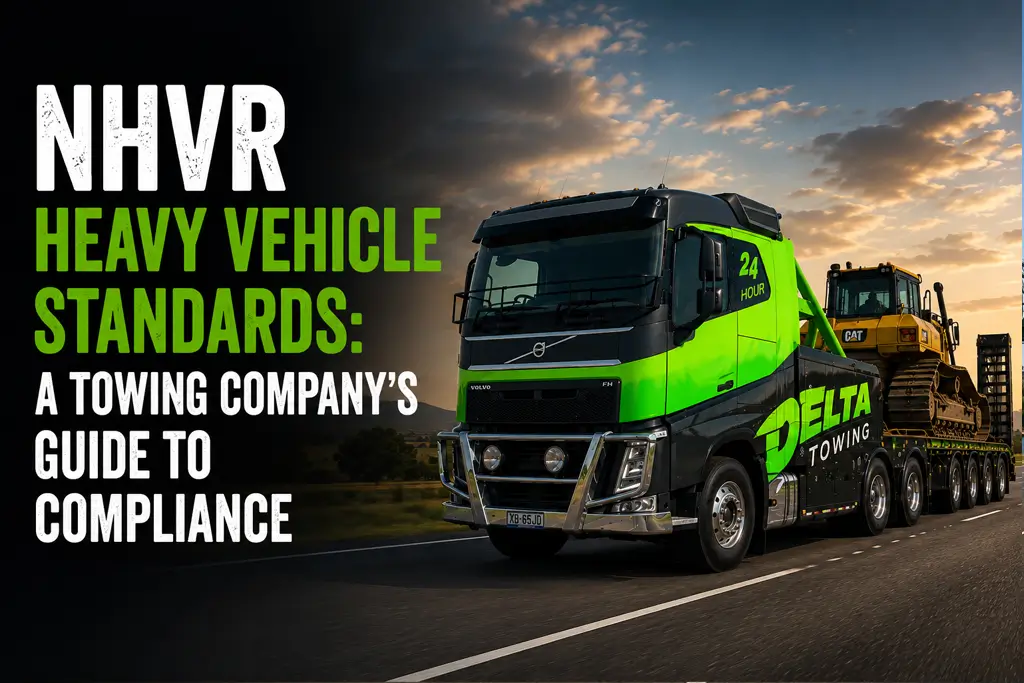
NHVR Heavy Vehicle Standards: What Towing Companies Must Know
The National Heavy Vehicle Regulator sets the rules that every heavy vehicle operator in Australia must follow. For towing companies, these rules cover how we register and maintain our vehicles, how we manage our drivers, how we handle loads, and how we manage the chain of responsibility for every job we do.
Registration and Vehicle Standards
Every tow truck in our fleet is registered as a heavy vehicle under NHVR requirements. Registration involves compliance with Australian Design Rules for the vehicle type, annual or periodic inspections to verify roadworthiness, display of current registration labels and compliance plates, and meeting emission standards applicable to the vehicle's manufacture date.
Our tow trucks also carry specific equipment required for their function: boom arms, underlifts, winches, and recovery gear. This equipment must be rated for its intended use and maintained in serviceable condition.
Mass and Dimension Compliance
When a tow truck connects to a casualty vehicle, the combined mass of both vehicles must comply with the mass limits applicable to the tow truck's registration and the road network being used. This is straightforward for light vehicles but requires careful consideration for heavy casualties.
A tow truck rated for 42.5 tonnes GCM cannot tow a combination that exceeds that limit. If the casualty vehicle pushes the combination over mass limits, we use a different tow truck with a higher rating or transport the casualty on a tilt tray where the mass is carried rather than towed.
Chain of Responsibility
Chain of Responsibility (CoR) is the legal framework that distributes safety obligations across every party in the heavy vehicle transport chain. For towing companies, CoR means we share responsibility for mass management, load restraint, fatigue management, speed compliance, and vehicle maintenance, not just for our own vehicles but for the combination we create when we connect to a casualty vehicle.
In practice, this means we check the loaded weight before towing, we restrain casualty vehicles properly on tilt trays, our drivers work within legal fatigue limits, and we maintain documentation that demonstrates compliance.
Fatigue Management
Our drivers operate under the standard hours provisions of the Heavy Vehicle National Law. This limits driving hours per day, mandates rest breaks, and requires work diaries or electronic work diary (EWD) systems to record compliance.
Towing work creates specific fatigue challenges because callouts are unpredictable. A driver who has worked a full day and then gets a 2am callout must manage their fatigue hours carefully. Our scheduling system tracks driver hours and prevents dispatches that would breach fatigue limits.
What This Means for Our Clients
When you engage Delta Heavy Towing, you engage a company that operates within the NHVR framework. Your Chain of Responsibility exposure is managed because we comply with our obligations. Our documentation, from tow receipts to load restraint records, supports your compliance requirements.
For NHVR compliant heavy towing in Brisbane, call Delta Heavy Towing on +61 455 996 600.
Need this handled today?
Dispatch is staffed 24 hours a day, and we quote before the truck rolls. Tell us the vehicle, the location and where it needs to go.
Keep reading
Related guides
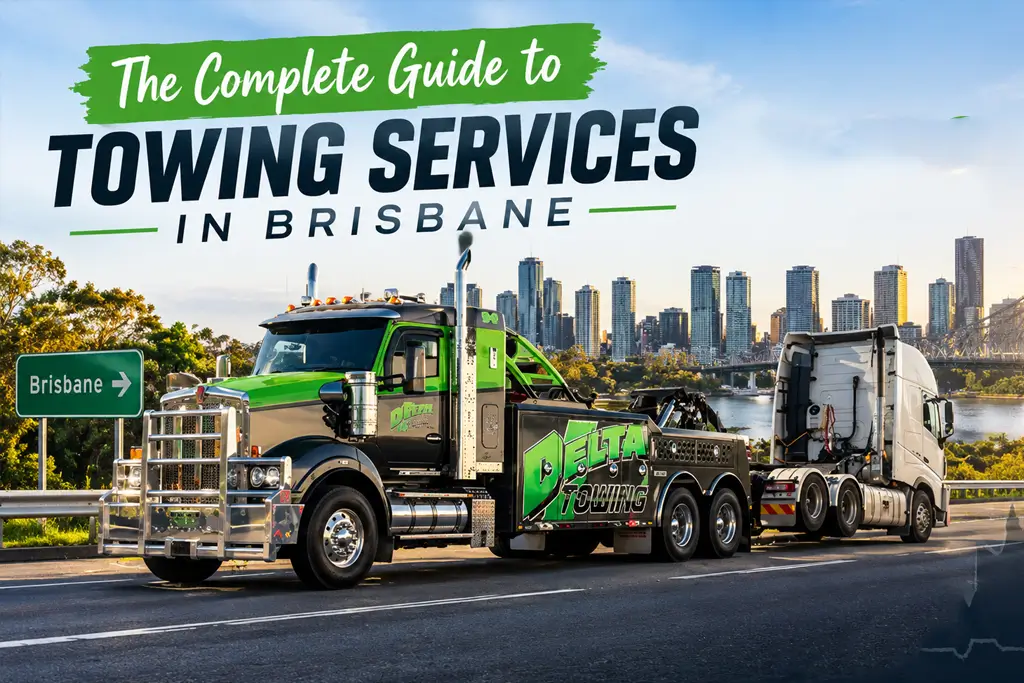
The Complete Guide to Towing Services in Brisbane
Brisbane's towing market serves a city of 2.5 million people with trucks, buses, and commercial vehicles running through an extensive road network in…
Read the article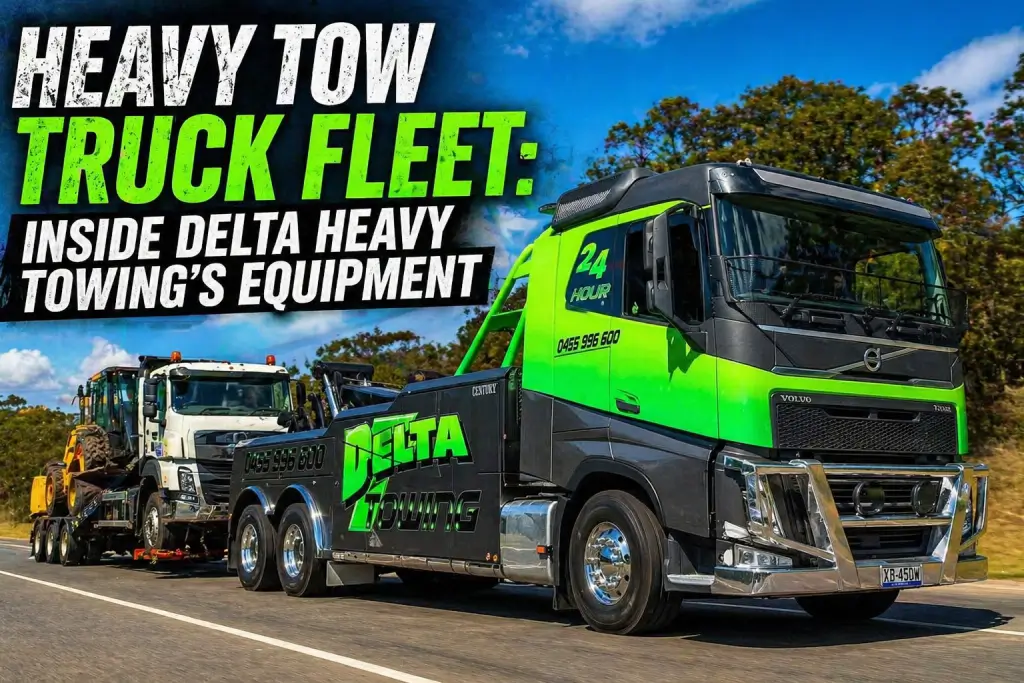
Heavy Tow Truck Fleet: Inside Delta Heavy Towing's Equipment
We get asked about our trucks regularly. Fleet managers want to know if we can handle their largest vehicle. Construction companies want to know if w…
Read the article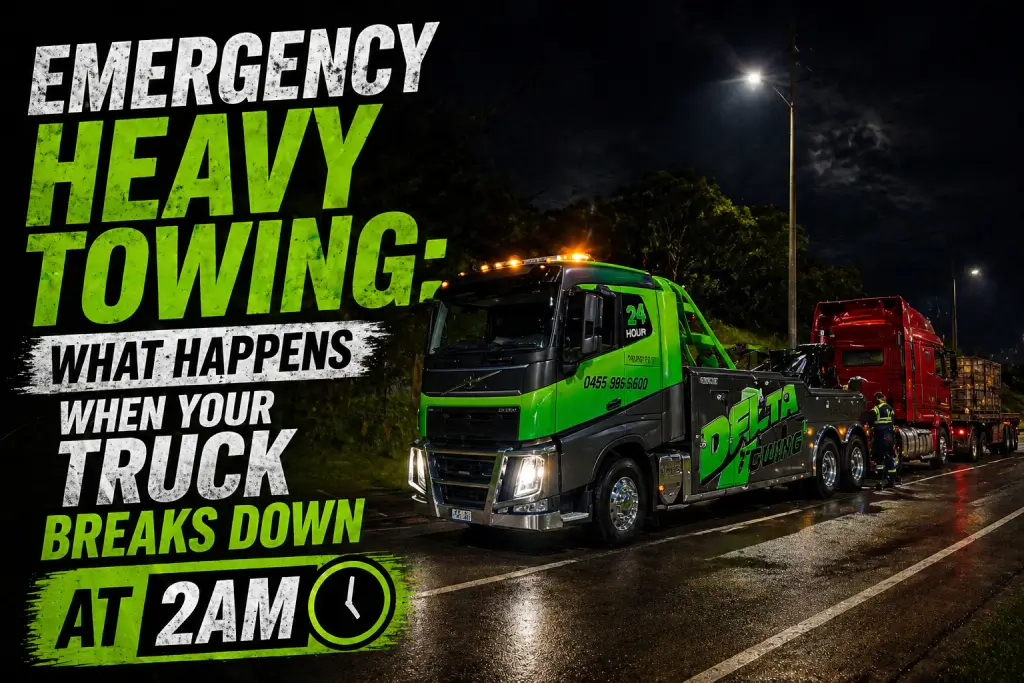
Emergency Heavy Towing: What Happens When Your Truck Breaks Down at 2AM
Emergency heavy towing is what stands between a stranded driver and a resolved crisis. The phone rings at 2am. It's your driver. The truck has stoppe…
Read the article