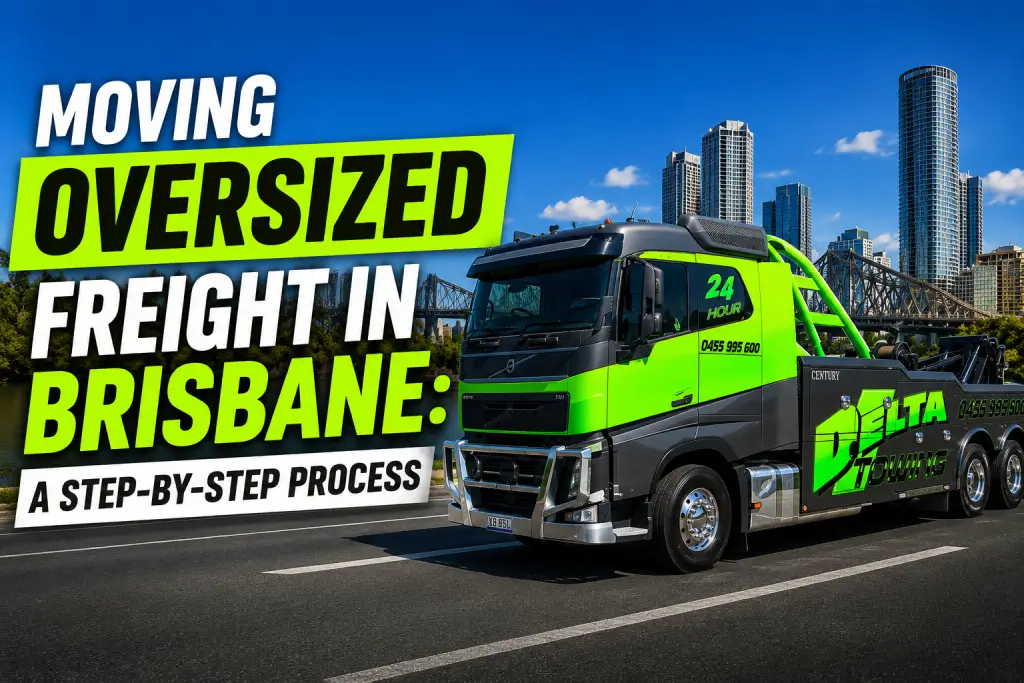
Moving Oversized Freight in Brisbane: A Step-by-Step Process
Scheduled article. This page is live and indexable, but it is not listed on the News page until April 19, 2027.
Moving Oversized Freight in Brisbane: Step by Step
If you have never moved an oversized load before, the process can seem complicated. It is methodical, but each step exists for a reason. Here is the sequence from start to finish.
Step 1: Measure the load: Get certified dimensions: height, width, length, and weight as the load will sit on the transport vehicle. Not the raw dimensions of the equipment, but the combined dimensions including the trailer deck height and any overhang. These measurements drive every decision that follows.
Step 2: Determine the permit class: Compare the measured dimensions against NHVR standard limits. If any dimension exceeds the limits, the load is oversize and a permit is required. The degree of excess determines the permit class and the conditions that will apply.
Step 3: Apply for the permit: Lodge the application through the NHVR portal with the load details, vehicle details, and proposed route. Processing time varies from a few days for Class 1 to several weeks for higher classes. Do not leave this to the last minute.
Step 4: Plan the route: Using the permit conditions and the load dimensions, plan a route that accommodates the width, height, and length at every point. Check bridge clearances, overhead obstructions, intersection turning space, and road width. Physical route surveys are recommended for unfamiliar routes.
Step 5: Arrange escort vehicles: Based on permit conditions, arrange the required number of pilot vehicles with qualified operators. Confirm availability a day before the move. If the escort arrangements fall through, the move cannot proceed.
Step 6: Notify authorities: If the permit requires notification to road authorities, lodge the notification within the required timeframe. Keep confirmation documentation with the permit.
Step 7: Pre-departure checks: On the day, confirm load dimensions match the permit. Confirm all escorts are in position. Confirm communications are working (UHF radios). Confirm the driver has all documentation.
Step 8: Transport: Proceed along the approved route within the permitted travel window. Maintain escort formation. Communicate continuously. If conditions change, such as unexpected roadworks or an obstacle, stop and reassess rather than pushing through.
Step 9: Delivery: At the destination, confirm site access, position the transport vehicle, and unload according to the site plan. If crane or forklift unloading is required, coordinate timing to avoid delays.
Step 10: Documentation: Retain the permit, route plan, notification confirmations, and any photos or notes from the transport for your records. Some clients and insurers require this documentation.
Each step prevents a specific problem. Skipping any of them increases the risk of fines, delays, damage, or an incident on the road.
For managed oversized freight transport in Brisbane, call Delta Heavy Towing on +61 455 996 600.
Need this handled today?
Dispatch is staffed 24 hours a day, and we quote before the truck rolls. Tell us the vehicle, the location and where it needs to go.
Keep reading
Related guides
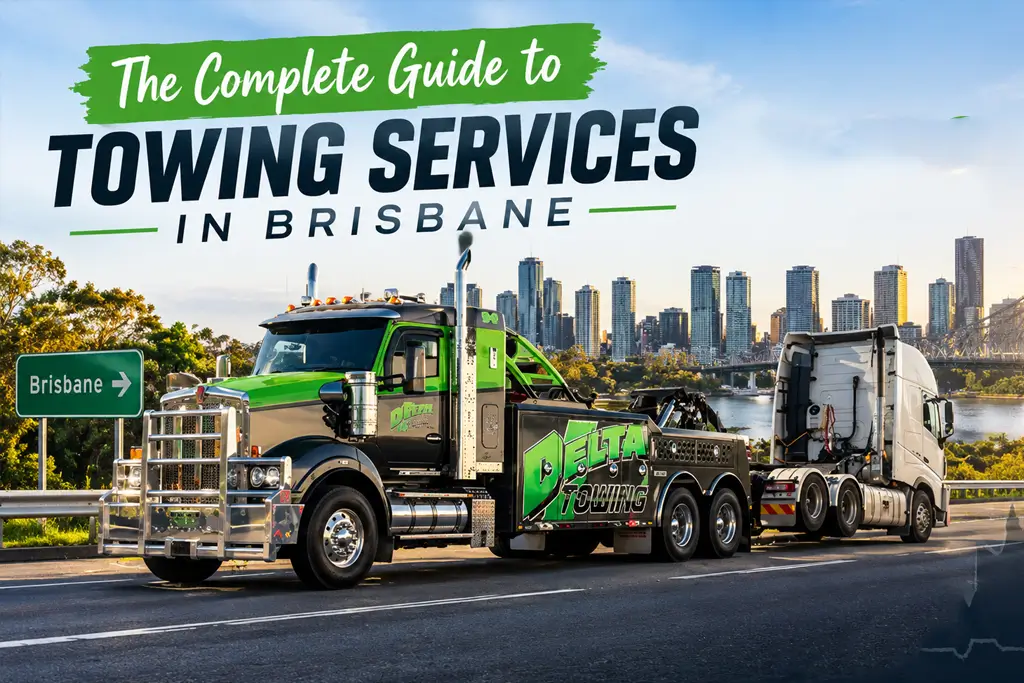
The Complete Guide to Towing Services in Brisbane
Brisbane's towing market serves a city of 2.5 million people with trucks, buses, and commercial vehicles running through an extensive road network in…
Read the article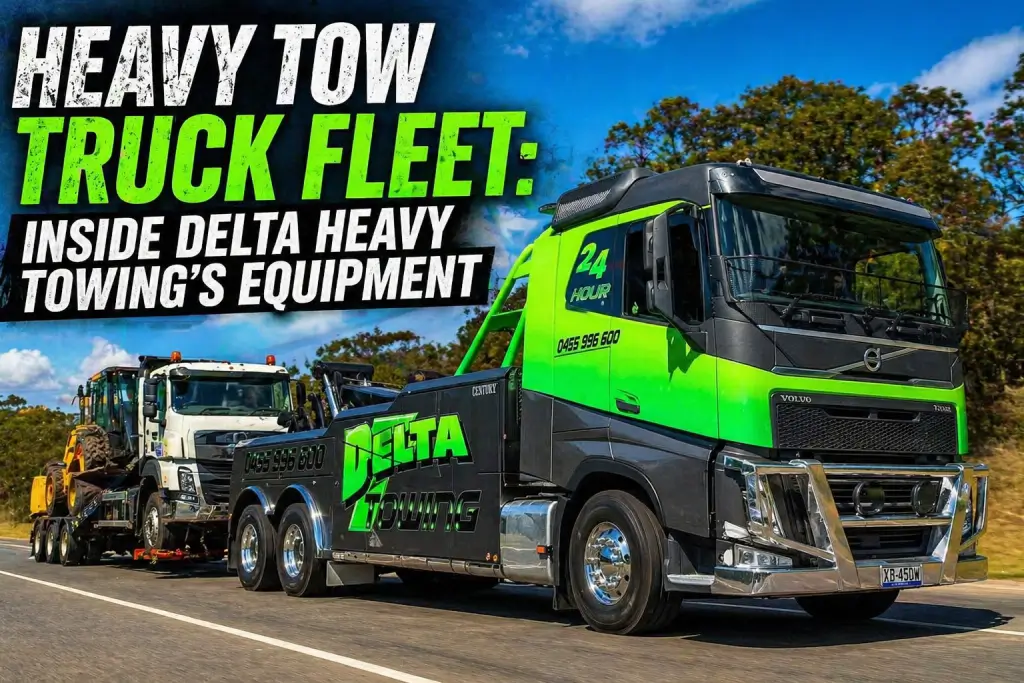
Heavy Tow Truck Fleet: Inside Delta Heavy Towing's Equipment
We get asked about our trucks regularly. Fleet managers want to know if we can handle their largest vehicle. Construction companies want to know if w…
Read the article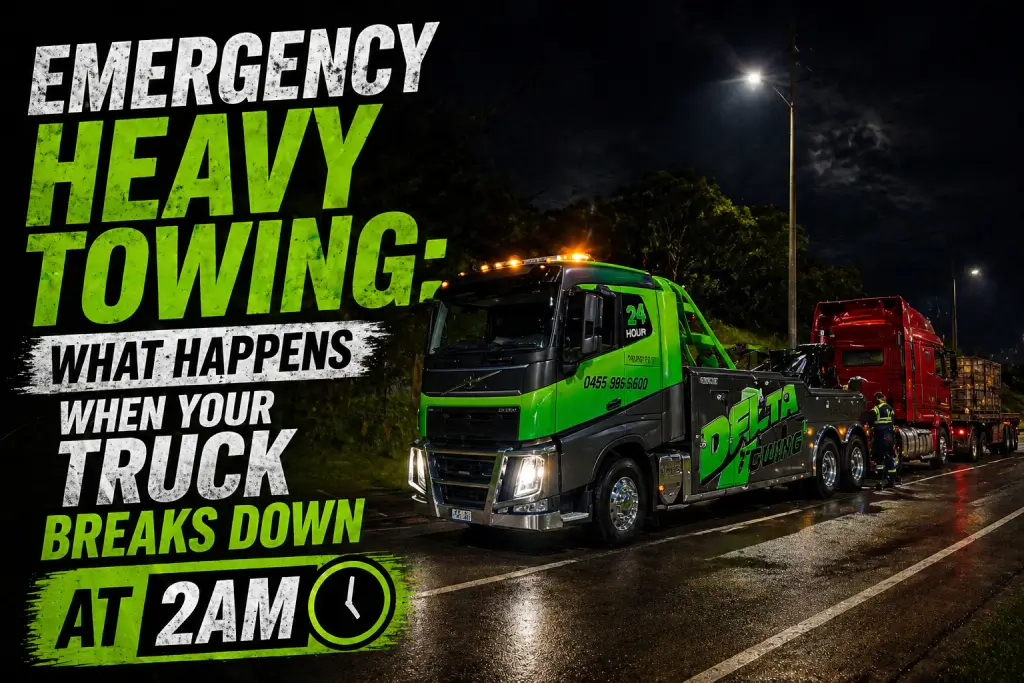
Emergency Heavy Towing: What Happens When Your Truck Breaks Down at 2AM
Emergency heavy towing is what stands between a stranded driver and a resolved crisis. The phone rings at 2am. It's your driver. The truck has stoppe…
Read the article