
Truck Towing 101: Everything Fleet Managers Need to Know
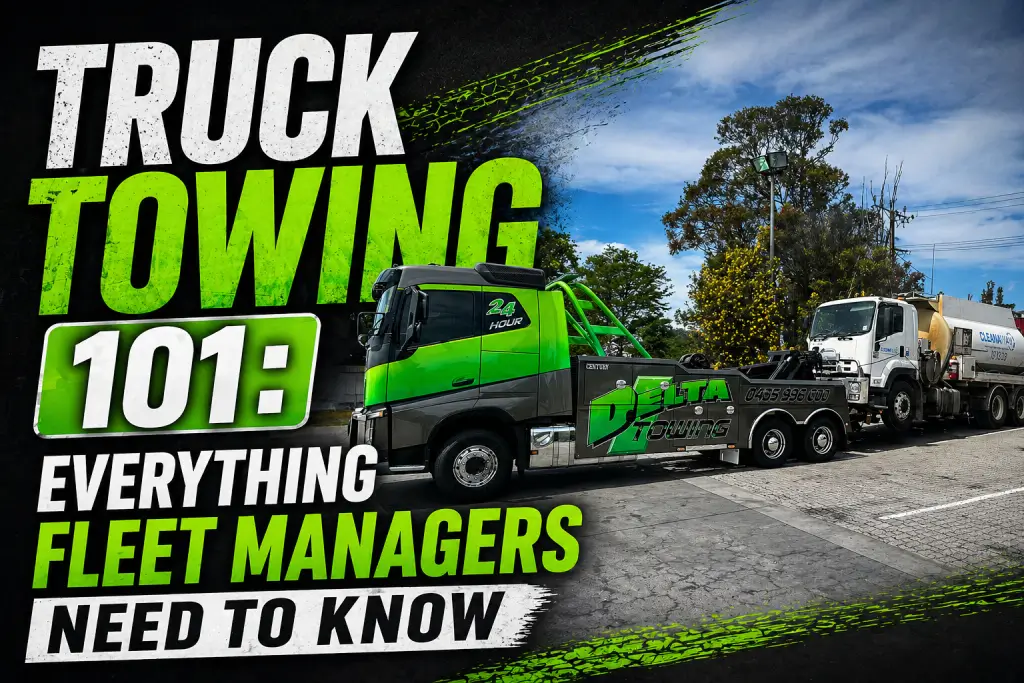
If you manage a fleet of truck towing is not something you plan for. It is something that happens when plans fail. An engine lets go on the M1. A driver reports a gearbox fault 200 kilometres from the depot. A truck catches a low bridge overhang and rips the top off a pantech body. Each situation needs a different response, and the fleet manager who has thought about towing arrangements before the phone rings handles it better than the one who starts Googling under pressure.
Set Up a Truck Towing Provider Before You Need One
The worst time to find a Truck towing company is when you have a truck blocking a lane on the Gateway. Do your research in advance. Find a heavy towing company that covers your operating area, confirm their fleet matches your vehicle types, and establish an account.
An account arrangement means the Truck towing company already has your details, your preferred workshops, your billing information, and your driver contact protocols on file. When a driver calls, you call the truck towing company, they dispatch, and the paperwork is mostly handled. No scrambling for purchase orders while a truck sits on the shoulder.
What Your Drivers Need to Know
Train your drivers on what to do in a breakdown. The basics: pull off the road as far as safely possible, hazard lights on, warning triangles out, high-vis vest on, call the fleet manager. But also: gather the information the truck towing company will need. Location (GPS coordinates, not "somewhere on the highway"), vehicle make and model, loaded or unloaded, approximate weight, what failed, and any hazards like dangerous goods or leaking fluids.
A driver who can provide this information clearly saves 10-15 minutes on the dispatch process. That adds up when the truck is blocking a busy road.
Understanding Your Truck Towing Costs
Truck Towing costs for fleets add up over a year. Track them. Know your average cost per tow, your most common breakdown types, and your most common breakdown locations. This data tells you things about your fleet condition, your maintenance programme, and your route risks that you will not see any other way.
If the same truck breaks down three times in six months, the maintenance programme for that truck needs review. If trucks regularly break down on the same stretch of highway, the route conditions may be contributing. If your truck towing costs spike during summer, overheating may be a fleet-wide issue.
Choosing the Right Towing Company
Look for these things when selecting a heavy towing provider for your fleet:
Fleet capability: Can they actually tow your largest vehicle? If you run B-doubles and they only have rigid tow trucks, they cannot help you when it matters most.
Geographic coverage: Do they cover all the areas your trucks operate? A company with one depot in inner Brisbane is no use if your trucks run to Toowoomba and the Gold Coast.
Response time: What is their average response, and do they have 24/7 dispatch? A towing company that is fast during business hours but takes two hours to respond at midnight is a problem for an overnight operation.
Accreditation: TruckSafe accreditation means their fleet and operators are audited against industry standards. NHVR compliance means they meet heavy vehicle regulatory requirements. Insurance means your assets are protected if something goes wrong during the tow.
Pricing transparency: Do they quote before dispatch, or do they give you a range and then add charges on the invoice? The best companies give firm quotes based on the job description.
Account Management
For fleets with regular towing needs, ask about account arrangements. Good truck towing companies offer monthly invoicing with consolidated billing, preferred workshop lists so your trucks are towed to the right place, priority dispatch for account customers, a dedicated contact for account queries, and regular reporting on tow frequency, types, and costs.
These arrangements save time on both sides and give you better data about your fleet's towing patterns.
Reducing Towing Frequency
The best towing event is the one that does not happen. Preventive maintenance is the biggest lever. Addressing minor faults before they become breakdowns reduces unplanned towing. Regular servicing, pre-trip inspections, and driver defect reporting all contribute.
Driver training also matters. Drivers who understand engine management, braking techniques on long descents, and overheating prevention cause fewer breakdowns than drivers who push equipment until something fails.
For fleet towing arrangements in Brisbane, contact Delta Heavy Towing on 0455 996 600. We offer account pricing, priority dispatch, and monthly reporting for fleet customers.
Need this handled today?
Dispatch is staffed 24 hours a day, and we quote before the truck rolls. Tell us the vehicle, the location and where it needs to go.
Keep reading
Related guides
Heavy Towing Near Me: How to Find Reliable Heavy Towing in Brisbane
When you search "heavy towing near me" on your phone while standing next to a dead truck on the side of the road, you are not in the mood for researc…
Read the article
When to Call a Heavy Vehicle Towing Service (And What to Expect)
Not every truck problem needs a tow. Sometimes a mobile mechanic can fix it on the side of the road. Sometimes the driver can limp it to the next exi…
Read the article
What Size Tow Truck Do I Need? A Guide to Heavy Tow Trucks
Tow trucks come in different sizes for the same reason hammers come in different sizes. Using a sledgehammer to hang a picture frame is overkill. Usi…
Read the article