
When to Call a Heavy Vehicle Towing Service (And What to Expect)
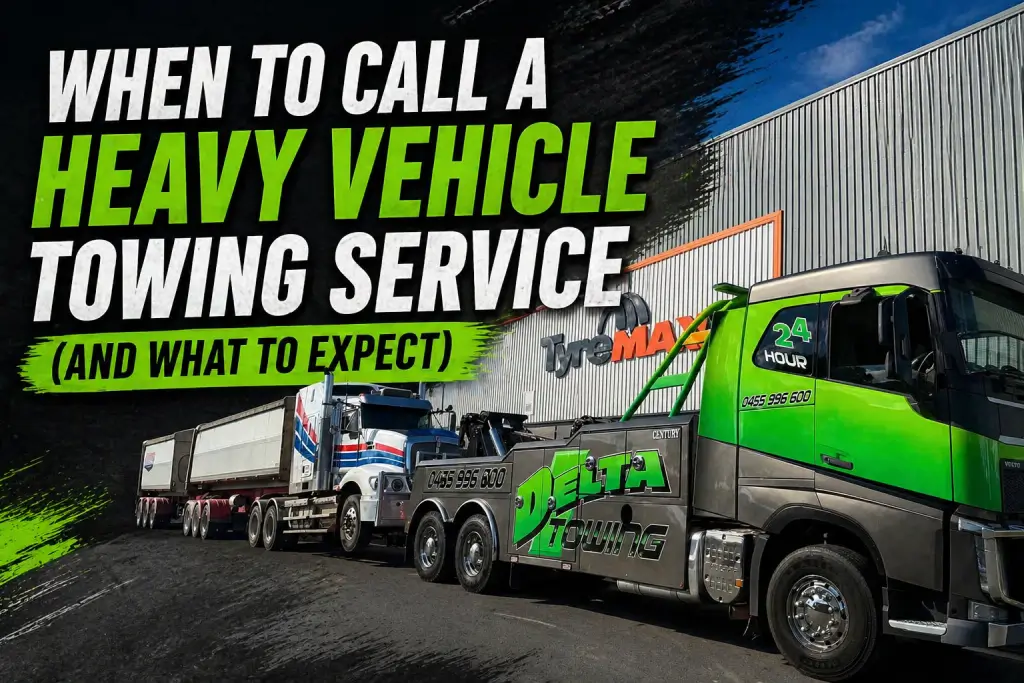
When to Call a Heavy Vehicle Towing Service
Not every truck problem needs a tow. Sometimes a mobile mechanic can fix it on the side of the road. Sometimes the driver can limp it to the next exit and into a workshop. But there are situations where calling a heavy vehicle towing service is the right move, and knowing when saves time and sometimes prevents a bad situation from getting worse.
Situations That Need a Tow
The truck will not move under its own power: Engine seizure, catastrophic gearbox failure, broken driveshaft, or a fire that has been extinguished but left the truck undriveable. If the truck physically cannot move, it needs towing. There is no other option.
The truck can technically move but should not: A steering fault that makes the truck wander, brake failure that means it cannot stop safely, or a cracked chassis rail that could fail under load. The temptation to drive it "just to the next exit" is strong, but a truck that cannot steer or stop is a danger to everyone on the road. Heavy Vehicle Breakdown Safety Tips & Tow Truck Waiting Guide.
The truck is on a motorway and cannot be repaired in place: Even if the problem is fixable, working on a truck on the shoulder of the Gateway Motorway with traffic passing at 100 km/h is extremely dangerous. Towing it to a safe location and repairing it there is the safer option.
The truck has been in an accident: Even if the truck looks driveable, accident damage can include hidden structural damage, suspension misalignment, or brake line damage that is not obvious. Most insurers require the vehicle to be towed and inspected before it is driven again.
The truck is overweight, over-dimensional, or carrying dangerous goods: These situations have specific regulatory requirements for how the vehicle is moved. A heavy vehicle towing service with the right permits, equipment, and training is the correct call.
When You Might Not Need a Tow
Flat tyre on a non-steer axle: If the truck has dual tyres and only one has failed, the truck may be able to limp to a tyre service at reduced speed. Steer tyre failures are different and usually make the truck undriveable.
Dead battery or flat air tanks: A jump start or air top-up from a mobile mechanic may get the truck going again without a tow.
Minor electrical fault: A blown fuse, a loose connector, or a faulty sensor might be fixable on the side of the road if a mechanic can get to you.
Overheating that has not caused damage: If the engine has overheated but shut down before any damage occurred, letting it cool and topping up coolant may resolve the issue temporarily. But repeated overheating usually indicates a problem that needs workshop attention.
What to Expect When You Call
The phone call: The dispatcher will ask for your location, vehicle type, what happened, and where you want the truck taken. Give as much detail as you can. If you know the truck's weight, share it. If you do not know, give the make and model and the dispatcher can estimate.
A quote: A reputable heavy towing company quotes the job before dispatching a truck. You should know the price before the tow truck rolls. If a company will not quote and insists on "assessing the job first," be cautious.
Arrival: The tow truck arrives and the operator assesses the vehicle. For a straightforward breakdown, this is quick. The operator confirms the approach, connects the vehicle, and begins towing. For an accident or complex situation, the operator may need time to set up traffic management, assess damage, or plan the recovery approach.
The tow: Your vehicle is towed to the destination you specified. The operator takes reasonable care to avoid additional damage during transport. If the vehicle has specific handling requirements, such as a leaking fuel tank or a damaged suspension, the operator adapts the approach.
Invoice: You receive an invoice matching the quote you agreed to on the phone.
What You Should Do While Waiting
Park the truck as far off the road as possible. Turn on your hazard lights. Set up warning triangles behind the truck if you have them and it is safe to do so. Wear a high-visibility vest if you step out of the cab. Stay out of live traffic lanes. Call your fleet manager or employer and let them know the situation. Have your truck keys, rego papers, and any immobiliser information ready for the tow truck operator.
For heavy vehicle towing in Brisbane, call Delta Heavy Towing on 0455 996 600. Available around the clock.
Need this handled today?
Dispatch is staffed 24 hours a day, and we quote before the truck rolls. Tell us the vehicle, the location and where it needs to go.
Keep reading
Related guides
Heavy Towing Near Me: How to Find Reliable Heavy Towing in Brisbane
When you search "heavy towing near me" on your phone while standing next to a dead truck on the side of the road, you are not in the mood for researc…
Read the article
Truck Towing 101: Everything Fleet Managers Need to Know
If you manage a fleet of truck towing is not something you plan for. It is something that happens when plans fail. An engine lets go on the M1. A dri…
Read the article
What Size Tow Truck Do I Need? A Guide to Heavy Tow Trucks
Tow trucks come in different sizes for the same reason hammers come in different sizes. Using a sledgehammer to hang a picture frame is overkill. Usi…
Read the article