
Heavy Vehicle Breakdown Safety Tips & Tow Truck Waiting Guide
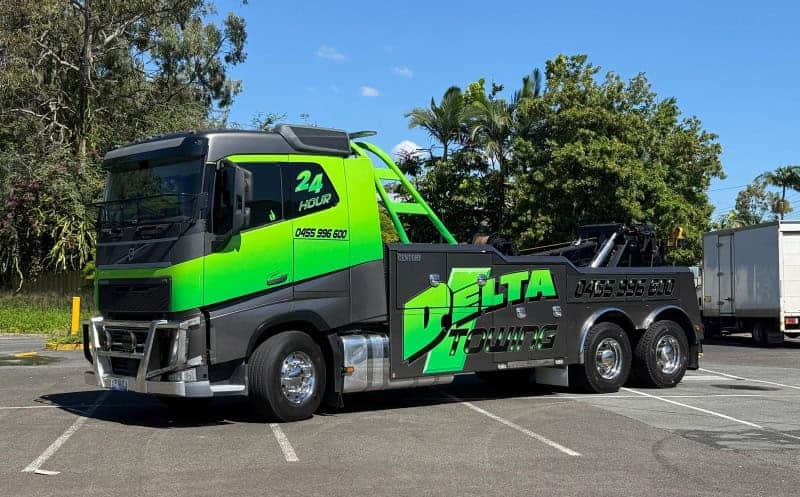
When a big rig stops, calm thinking protects people and schedules.
A heavy vehicle rarely chooses a quiet side street to quit. It happens on a busy motorway, on a narrow industrial road, or in the rain when visibility is poor. In that moment, confident steps matter. The aim is simple. Keep people safe, protect your asset, and give clear information so help arrives with the right gear. Use these heavy vehicle breakdown tips to control the first minutes and turn a bad moment into a steady recovery.
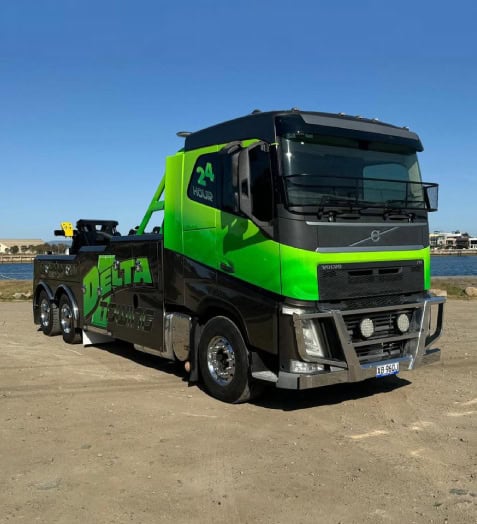
Make the scene safe before anything else.
Safety first. Activate your hazard lights so other road users can see you early. If you can roll to a safe shoulder or a wide bay without forcing the vehicle, do so. Set the parking brake and place the transmission in neutral or park. If the road is narrow and you cannot move off the lane, keep the vehicle as straight as possible and stay visible.
Place warning triangles in sequence behind the truck to create a slow-down signal for approaching traffic. Increase the distance on high-speed roads. Wear a high-visibility vest if you step out. Never stand in the live lane. Keep passengers and team members well clear of traffic flow.
Stabilise the vehicle and the load.
Turn off the engine if there is any sign of smoke, a fuel leak, or an electrical burn smell. As part of these Heavy Vehicle Breakdown Tips and Waiting for Tow Truck Guide, if you are stopped on a slope, use wheel chocks if available and safe to place, and confirm that the trailer handbrake is set. If you carry a refrigerated unit or other powered equipment, note whether it is safe to run while you wait for assistance. Check load restraints from the ground only, and do not climb onto the trailer or walk near tensioned straps if the area is not secure.
Call for help with the details that matter.
A strong call gets a strong response. When you contact a towing provider, share the exact location first. Use a clear landmark, such as a highway marker or a GPS pin, to ensure accuracy. As part of this Heavy Vehicle Breakdown Tips and Waiting for Tow Truck Guide, describe the heavy vehicle and its configuration—prime mover only, prime mover with trailer, bus, or plant on a float. Share the weight and length if you know them.
Explain the fault as you experienced it, such as loss of drive, a flat steer tyre, air loss, or an electrical fault. Mention hazards like a narrow shoulder, soft ground, or a blind bend. These details help the dispatcher send the correct truck and attachments the first time.
While you wait, reduce risk and prepare for a smooth handover
Stay visible and keep clear of traffic
Recheck your triangles if traffic is heavy or if wind has moved them. Keep doors closed on the traffic side. If you must step out, face traffic and move with care.
Keep communications open
Keep your phone charged. Share a reliable contact number. If the provider gives an ETA, note it and stay reachable. If anything changes at the scene, update the dispatcher so the approach plan can be adjusted accordingly.
Gather the basics for the operator.
Have keys, registration, and any immobiliser information ready. As outlined in this Heavy Vehicle Breakdown Tips and Waiting for Tow Truck Guide, if you manage a fleet, have a destination approved so the operator can roll as soon as the vehicle is secure. If the unit carries dangerous goods, ensure the documentation is visible and share those details during the call.
Secure valuables and remove personal items.
Remove any unnecessary wallets, electronics, and paperwork. If a trailer is staying behind for a separate movement, photograph the seals and note numbers where relevant.
Heavy vehicle breakdown tips that save time in the real world
- Share the direction of travel and the closest on-ramp or off-ramp so the tow unit approaches from the safe side.
- Inform the dispatcher if the driveline is damaged or if the gearbox is stuck in gear. Some recoveries require a driveline disconnect to protect components.
- If air is lost and the vehicle cannot release the brakes, state this. The operator can bring the necessary gear to safely move a locked unit.
- If the incident is at night, confirm whether the site has lighting. Reflective gear and extra lighting improve safety on arrival.
- If the load is temperature-sensitive, provide the set point and note whether the unit is running. The plan can include a powered move or a quick changeover.
You're waiting for the tow truck guide for Brisbane roads
Confirm the approach plan
When the provider calls with an ETA, ask which side they will approach from and where you should stand when they arrive. This keeps the first minute on scene calm and clear.
Listen for a quick risk check.
A professional will ask about traffic, weather, and ground conditions. Answer in simple phrases. Heavy rain. Soft shoulder. Tight lane. Low bridge nearby. These cues shape a safe setup.
Expect a methodical process.
On arrival, the operator will place cones and beacons. They will confirm connection points and the plan for your configuration. This may include a straight lift, a driveline-safe tow, a winch to hard ground, or a staged move for a multi-unit combination.
Know your destination
Have a repairer, depot, or holding yard ready. If a permit or escort is required for a follow-on move, confirm who will arrange it. This prevents a second delay after the recovery.
What a professional heavy towing team brings to the scene
A modern Heavy Vehicle towing unit, the right attachments, and a trained operator are the foundation. Just as important are small habits. Clear hand signals. Quiet setup. A tidy work zone that protects other road users. Regular updates to keep you informed about the next step. This approach reduces stress and helps your business return to plan as soon as possible.
Common questions from drivers and managers
How long should I wait before calling a tow provider
Call as soon as you realise the Heavy Vehicle will not move under its own power. Early notice gets the correct truck rolling and shortens the overall delay.
Can I keep the engine running for comfort?
Only if it is safe to do so, if there is any sign of a leak, smoke, or electrical fault, switch off the engine and move people to a safe position away from the cab and the live lane.
What if I cannot set triangles due to traffic
Do not put yourself at risk. Stay inside with seatbelts on and hazard lights active. Call the provider and explain the conditions so the operator arrives prepared to secure the scene.
Do I need to release the driveline before a tow?
Do not attempt this on your own. The operator will assess and complete any disconnect needed to protect the gearbox and differential.
Should I call the police?
If the vehicle is blocking a live lane or there has been an incident, call emergency services first. They can help secure the site until the tow unit arrives.
After the tow, set yourself up for a faster return to the road
Request a concise report that includes the time of arrival, the actions taken, and any relevant notes about the vehicle or load. Share this with your repairer and your fleet manager. If the breakdown exposed a weak point in your process, update your pre-trip checks. A small change can prevent the same delay next time.
Conclusion
A clear plan turns a breakdown from chaos into a controlled sequence. Use these heavy vehicle breakdown tips to secure the scene and protect your team. Follow the 'Waiting for a Tow Truck' guide to provide the correct details and prepare for a safe recovery. When you want fast response, skilled operators, and steady updates across Brisbane and beyond, call Delta Heavy Towing. The sooner the team is looped in, the sooner your people and your asset return to the work that matters.
Need this handled today?
Dispatch is staffed 24 hours a day, and we quote before the truck rolls. Tell us the vehicle, the location and where it needs to go.
Keep reading
Related guides
Heavy Towing Near Me: How to Find Reliable Heavy Towing in Brisbane
When you search "heavy towing near me" on your phone while standing next to a dead truck on the side of the road, you are not in the mood for researc…
Read the article
Truck Towing 101: Everything Fleet Managers Need to Know
If you manage a fleet of truck towing is not something you plan for. It is something that happens when plans fail. An engine lets go on the M1. A dri…
Read the article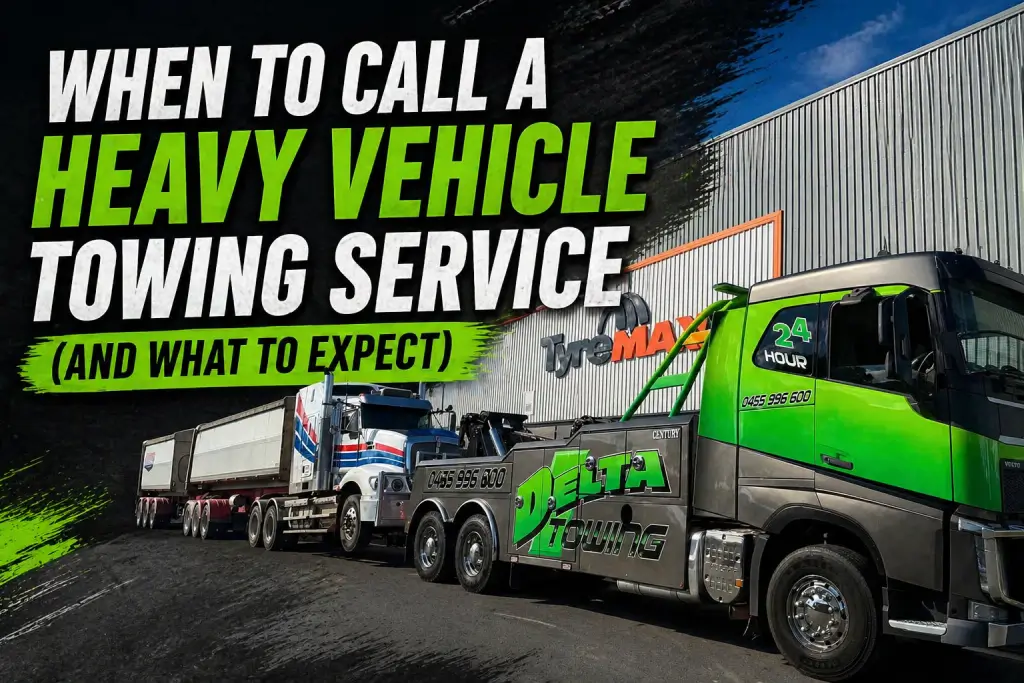
When to Call a Heavy Vehicle Towing Service (And What to Expect)
Not every truck problem needs a tow. Sometimes a mobile mechanic can fix it on the side of the road. Sometimes the driver can limp it to the next exi…
Read the article