
Prime Mover Truck Towing: Expert Solutions on the Gold Coast
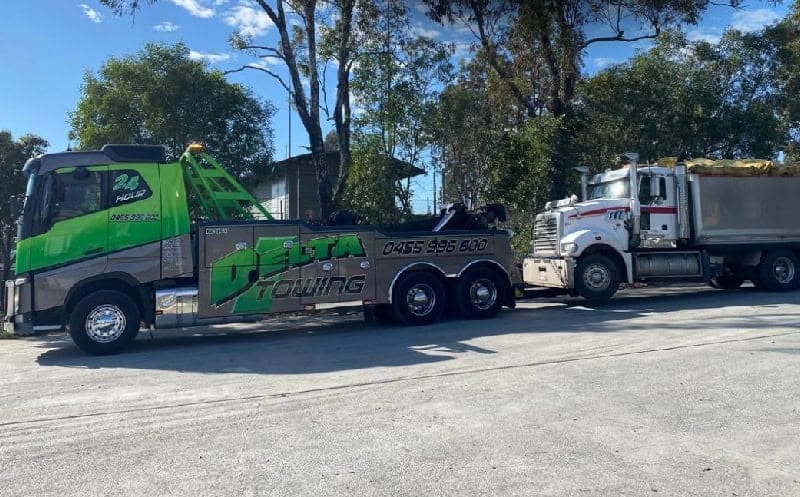
When a prime mover stops, minutes matter
Prime Mover Truck Towing ensures that a heavy unit at a standstill doesn’t block lanes, delay freight, or increase risk for everyone around it. The quickest path to safety is calm assessment followed by the right method. Skilled operators secure the scene, protect traffic, and make a clear plan before any gear moves. That plan keeps driveline parts safe, shields the bodywork, and keeps the tow short and simple.
Assessment first, movement second
Every recovery starts with the same questions. Where is the safest hook point? What is the driveline configuration? Can the fault roll without damage, or does it need a partial strip-down before movement? Is there room to swing a heavy underlift, or is a low loader the better choice? By answering these on the shoulder rather than while rolling, the crew avoids expensive mistakes and shortens the total job time.
Protect the driveline before you tow
Prime Mover Truck Towing requires understanding that prime movers vary in suspension, axle layout, and gearbox type. A safe prime mover truck towing recovery often means disconnecting the tailshaft, caging brakes, lifting the correct axle group, and isolating electronics so nothing fights the tow. Simple steps like these turn a risky drag into a controlled relocation. It may take a little longer at the start, but it’s faster overall because the unit arrives at the workshop intact.
The right tool for the right fault
Heavy wreckers with long underlifts handle most motorway jobs. Rotators help when access is awkward or when a unit sits at an angle in soft ground. Low loaders carry dead units that should not roll at all. Winches shift broken rigs off tight exits and out of industrial yards without loading every component with stress. Choosing correctly is why professional prime mover truck towing reads as routine from the outside.
Prime Mover Truck Towing on crowded corridors requires careful roadside safety planning
The Gold Coast carries steady traffic from Coomera through Nerang to Burleigh and out toward Yatala. Shoulders are narrow in places, and slip lanes can fill quickly. An effective prime mover truck towing plan uses cones, beacons, and clear hand signals so everyone nearby understands what will happen next. When heavy-vehicle recovery overlaps a peak window, crews coordinate with police or traffic control so the roll off the shoulder happens in one clean, safe movement.
Load on or load off
Sometimes the tractor fails while connected to a trailer set. If the trailer is live, the crew separates, stabilises, and shifts each piece in the safest sequence for the location. On an industrial site, there is often room to stage the pieces. On a busy shoulder, the priority is to clear the hazard line fast and finish the pairing in a quiet bay. Good communication with site managers makes this smooth.
Local routes and real constraints
Not every path suits a heavy tow. Tight roundabouts near light industrial estates, low signs at shopping precinct entries, and steep drive approaches in the hinterland can all complicate a move. Smart crews pick routes that favour wide turns and gentle grades, reach workshops that accept after-hours deliveries, and avoid pinch points like school zones at bell time. This is the quiet craft behind the prime mover truck towing Gold Coast searches that appear on phones the moment a unit stops on the M1 or Smith Street.
Common faults and calm fixes
Cooling failures, air loss, electrical gremlins, and gearbox faults top the list. The recovery team checks for simple resets and quick fixes that allow a short self-powered move to a safer bay. If that is not possible, they set the tow up for a short pull to a pre-chosen exit. A few metres gained early can turn a stressful roadside into a controlled handover at a workshop door.
Communication that keeps everyone moving
Despatch should confirm the exact location, road direction, and safest approach. The crew sends a short arrival estimate and an outline of the likely method so the driver knows what to expect. Once on scene, a three-line brief explains where the truck will lift, how long the prep will take, and where the handover will occur. Calm talk like this keeps the site steady and helps other motorists read what is coming.
After-hours realities
Breakdowns do not wait for business hours. Night recoveries need extra lighting, clearer markings, and a route plan that avoids closed ramps. Workshops may not accept a unit after a certain time, so the team lines up a safe yard if needed. Paperwork is kept short and accurate so insurance records match the facts without letter writing later.
Damage control that shows in the daylight
A successful tow is obvious at first light. Mirrors sit where they should. Grille and guards are untouched. Airlines and electrics are clipped and labelled rather than tangled. The tailshaft sits in the cab with a neat tag for the mechanic. The driver sees that every choice overnight protects the machine they rely on for work.
A short Gold Coast example
A tractor with an electrical fault stopped in the left lane near Nerang in late afternoon rain. The crew arrived, set cones, checked for quick resets, and found none. They isolated the system, disconnected the tailshaft, lifted the steer, and shifted the unit a few metres to a safer shoulder. From there, they planned a single movement onto the Smith Street exit and a quiet run to a workshop in Molendinar. Traffic stayed orderly, and the driver met the service manager under a roof rather than in the spray on the shoulder. The small choices at the start made the end look easy.
When to call specialists first
If the unit is down in a live lane, if the fault sounds like a locked driveline, or if the location is a tight ramp with little shoulder, call professional heavy recovery immediately. A quick tow truck cannot solve this kind of problem and can add risk by blocking more of the lane. Specialist crews carry the gear and the experience to make the first move the right one.
The takeaway for fleet managers and owner drivers
Plan the response before you need it. Save a direct number, note your common routes and workshop preferences, and decide how you want after-hours handovers handled. When an outage happens, share the location, the visible fault, and any prior warning lights. With that information, the recovery team can bring the correct equipment and return your unit to work faster and safer.
Conclusion
When a heavy tractor stops on a busy corridor, you want a recovery that protects people, equipment, and the schedule. For careful setup, local route knowledge, and proven methods that keep prime movers intact from roadside to workshop, call Delta Heavy Towing.
Heavy Vehicle Towing Toowoomba: Reliable Solutions for Truck Owners
Need this handled today?
Dispatch is staffed 24 hours a day, and we quote before the truck rolls. Tell us the vehicle, the location and where it needs to go.
Keep reading
Related guides
Heavy Towing Near Me: How to Find Reliable Heavy Towing in Brisbane
When you search "heavy towing near me" on your phone while standing next to a dead truck on the side of the road, you are not in the mood for researc…
Read the article
Truck Towing 101: Everything Fleet Managers Need to Know
If you manage a fleet of truck towing is not something you plan for. It is something that happens when plans fail. An engine lets go on the M1. A dri…
Read the article
When to Call a Heavy Vehicle Towing Service (And What to Expect)
Not every truck problem needs a tow. Sometimes a mobile mechanic can fix it on the side of the road. Sometimes the driver can limp it to the next exi…
Read the article