
What To Do While Waiting for a Heavy-Duty Tow Truck
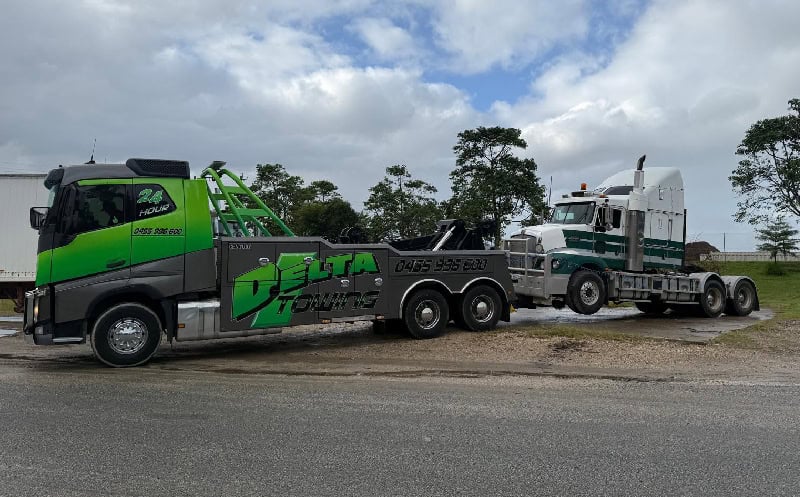
When you're behind the wheel of a commercial or heavy-duty vehicle, you’re used to powering through harsh weather, difficult terrain, and long hauls. But no matter how tough your truck or how experienced you are, breakdowns and roadside emergencies can still happen, which is when a heavy-duty tow truck becomes essential to get you safely back on the road. At Delta Heavy Towing, we know that waiting for help—especially in isolated or high-traffic areas—can be stressful. Once you’ve called our team and we’re en route, here are four important things you should do to stay safe and prepared while waiting for your heavy-duty tow truck to arrive.
Make Your Vehicle Visible to Other Drivers
Even if the road appears empty, new vehicles can approach at any moment—and fast. To protect yourself and warn others of your presence, take immediate steps to make your truck visible.
Turn on your hazard lights, and if you have them, set up road flares, reflective cones, or warning triangles. For maximum visibility:
- Place one triangle 200 meters behind your truck
- Another 200 meters ahead of your vehicle
- Heavy-Duty Tow Truck
- A third 10 meters from your truck or cargo
This spacing gives oncoming traffic enough time to see the hazard, slow down, and pass safely. Always be cautious when placing these markers—use high-visibility gear and stay aware of traffic at all times.
Secure Your Essentials While Waiting for a Heavy-Duty Tow Truck
Tow truck often have limited cab space—usually enough for one passenger. While your truck may be down for the count, you’ll likely need to ride with our operator or arrange alternative transport.
Before help arrives, take a few minutes to collect your personal and essential items, including:
- Wallet, cash, ID
- Phone, charger, and electronics
- Insurance papers, registration, and logbooks
- Heavy-Duty Tow Truck
- Medications or any important gear
It’s best to leave behind bulky items like bedding or large bags unless absolutely necessary. Having your valuables and documents ready makes it easier to transition quickly and comfortably when the tow truck arrives.
Stay Inside Unless It’s Unsafe While Waiting for a Heavy-Duty Tow Truck
In most situations, staying inside your vehicle is the safest option—especially on highways or during poor weather. Your truck provides protection from oncoming traffic and the elements while you wait. However, there are exceptions. If you smell fuel, see leaking fluids, or suspect a hazardous material spill, exit the vehicle immediately and move to a safe distance. Alert the dispatcher if there’s any danger so our team arrives prepared with the proper recovery equipment and safety protocols.
If it’s safe, remain in your cab, buckle up, and keep your hazard lights flashing until Delta Heavy Towing arrives.
Frequently Asked Questions (FAQ)
Q1: How long will it take for a heavy-duty tow truck to arrive?
A: Arrival time depends on your location, traffic conditions, and the type of vehicle being towed. On average, heavy-duty tow trucks reach most Brisbane locations within 30–60 minutes. For remote areas, allow extra time.
Q2: What should I do to stay safe while waiting for a tow truck?
A: Stay inside your vehicle if possible, turn on hazard lights, and move to a safe area away from traffic. Keep a safe distance from other vehicles and avoid standing on the roadside.
Q3: Should I try to move my vehicle before the tow truck arrives?
A: No, attempting to move a broken-down or heavy vehicle can be dangerous and may worsen the damage. Wait for professional operators trained in heavy-duty towing.
Q4: Can I prepare my vehicle to make the towing process faster?
A: Yes. Make sure the vehicle is in neutral (if applicable), secure loose items, and provide the tow truck driver with clear access. Note any damages to document for insurance purposes.
Q5: Will a heavy-duty tow truck handle all types of large vehicles?
A: Most heavy-duty tow trucks can handle trucks, buses, semi-trailers, and heavy equipment. Always confirm with your towing provider about the vehicle type to ensure proper equipment is dispatched.
Q6: How do I communicate effectively with the tow truck driver?
A: Provide your exact location, vehicle details (make, model, and plate number), and describe the situation accurately. If possible, share GPS coordinates or landmarks for faster assistance.
Q7: Is it safe to wait inside my vehicle with the engine running?
A: Only if it’s safe and there’s adequate ventilation. Otherwise, turn off the engine to prevent exhaust buildup. Keep the hazard lights on and the doors unlocked for safety.
Q8: Will the tow truck operator explain the process before towing?
A: Yes. Reputable towing companies provide a clear explanation, including the method of recovery, estimated timeline, and any associated costs. Always ask questions if unsure.
Need this handled today?
Dispatch is staffed 24 hours a day, and we quote before the truck rolls. Tell us the vehicle, the location and where it needs to go.
Keep reading
Related guides
Emergency Heavy Towing: What Happens When Your Truck Breaks Down at 2AM
Emergency heavy towing is what stands between a stranded driver and a resolved crisis. The phone rings at 2am. It's your driver. The truck has stoppe…
Read the article
Towing a Lorry in Australia: Rules, Requirements and Process
In Australia, we tend to say "truck" rather than "lorry," but the search traffic tells us plenty of people use the word lorry when looking for heavy …
Read the article
When a Bus Breaks Down: What Operators Should Do Next
Imagine a busy highway getting obstructed by a stranded bus that's stuck during peak hour. You can understand how the stressful situation might be! T…
Read the article